add_filter('bloginfo_url', function($output, $property){ error_log("====property=" . $property); return ($property == 'pingback_url') ? null : $output; }, 11, 2);
 

Publications

...now browsing by category


When Forests Grow Back Naturally, Climate Change Takes A Hit.

Friday, September 25th, 2020

by Aliya Uteuova

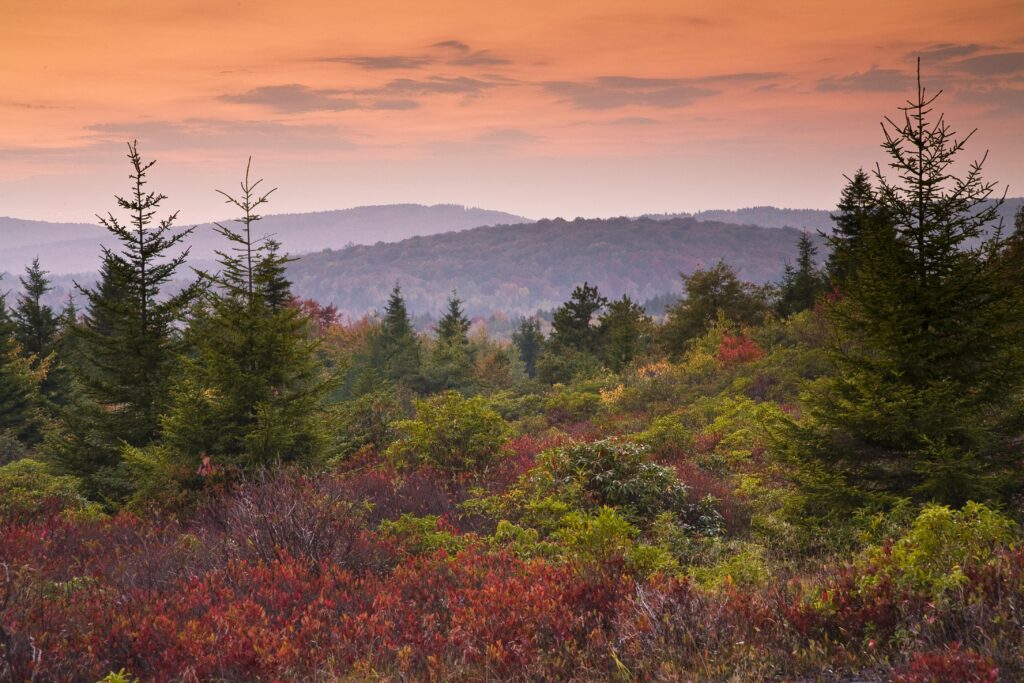
Mountain forests with red, purple, yellow and green foliage.

Fall color in the Dolly Sods Wilderness, part of Monongahela National Forest in West Virginia. “Natural forest regrowth,” a climate-mitigation strategy where forests regrow without human interference, could store 1.6 billion metric tons of carbon annually. (Credit: Kent Mason)

Trees have a powerful ability to absorb carbon dioxide, and a lot of it. According to the Environmental Protection Agency, American forests offset about 12% of the carbon emissions the U.S. creates each year from fossil fuels. While it’s great to plant trees, it can be costly. It’s also important to plant the right species in the right places to avoid disrupting other ecosystems. A major new study published Sept. 23 highlights the potential of an alternate strategy—natural forest regrowth—which can soak up excess carbon and help mitigate climate change.

Click to continue »

Share

U.N. Report Puts Spotlight on Seagrasses

Friday, July 31st, 2020

by Isabella Eclipse

Video created by United Nations Environment Programme

Appearances can be deceiving. At first glance, the humble seagrass meadow resembles a weedy underwater lawn. A closer look reveals one of the most important—and threatened—marine ecosystems in the world. Unfortunately, conservation efforts have often overlooked seagrass habitats.

“For a long time, people saw seagrass as a nuisance,” explained Jonathan Lefcheck, a biologist with the Smithsonian Environmental Research Center. It had a reputation for clogging boat propellers and washing up on beaches. “Tropical resorts would hire people to dig up seagrass in front of their beach because people would complain,” he added.

Though public perceptions have been changing, many people today are still unaware that seagrass meadows are rich and vibrant ecosystems like coral reefs or rainforests. A new report from the United Nations Environment Programme hopes to change that. Released June 8 on World Oceans Day, Out of the Blue compiles the latest findings from around the world on seagrasses and the valuable services they provide. SERC biologist Emmett Duffy served on the steering committee and helped synthesize the report.

Click to continue »

Share

Who’s Left Swimming in Chicken Manure…and Its Bacteria?

Friday, June 19th, 2020

New study finds antibiotics from poultry farms can lead to drug-resistant bacteria in the water

by Kristen Minogue

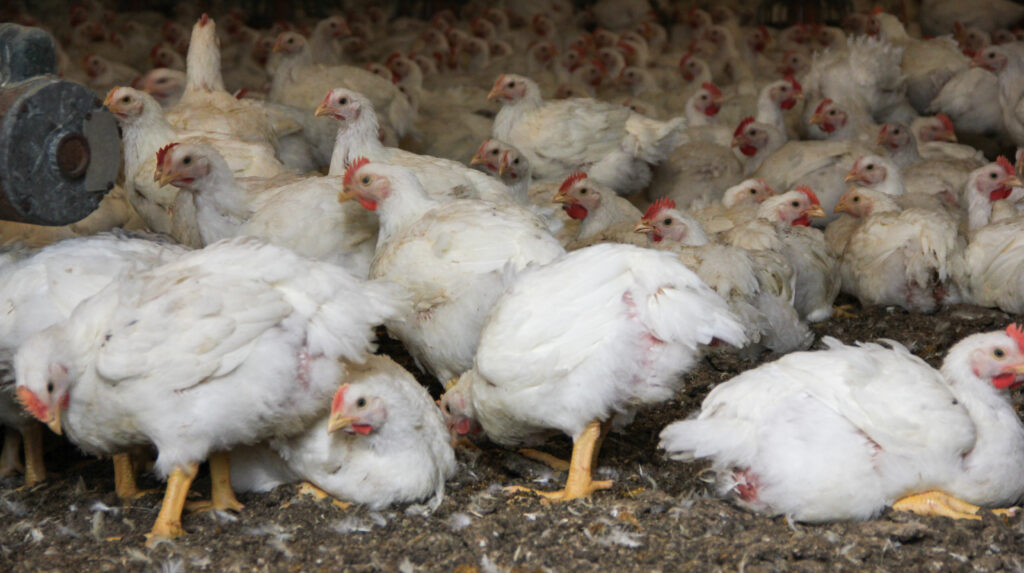
Chickens stand in a Pennsylvania poultry barn. Crowded conditions in poultry barns increase the danger of a disease spreading through the flock, leading many poultry farmers to rely on antibiotics. (Credit: Steve Droter/Chesapeake Bay Program. Creative Commons License)

90 tons. That’s how much chicken manure—mixed with feathers, uneaten feed and leftover bedding—a Maryland poultry farmer scrapes out of a single barn each year.

Manure is just one of many issues poultry farmers on the Delmarva peninsula have to wrestle with. Poultry farming isn’t an easy industry, for the chickens or the farmers. To get started, a farmer generally needs to borrow hundreds of thousands of dollars to build a poultry barn to house roughly 45,000 birds. Companies like Purdue and Tyson supply the chicks, and pay the farmers based on how many pounds the flock puts on. To have any chance of making a profit, there’s enormous pressure to grow broiler chickens as fat and as fast as possible. A typical poultry barn can go through five to seven flocks a year. After each flock moves out, the farmers are left to deal with the muck.

“The folks that grow the chickens, it’s a really tough job that they do and hard to make a buck at it,” said Tom Jordan, an ecologist with the Smithsonian Environmental Research Center who specializes in how farming impacts Chesapeake Bay.

Another thing that’s hiding in the chicken manure? E. coli bacteria. Some of these E. coli don’t cause disease. But others can inflict both chickens and people with diarrhea and other unsavory side effects, like urinary tract infections.

Some E. coli bacteria have become resistant to our antibiotics. This May, scientists reported that because chicken manure fertilizes farms throughout the Chesapeake, that antibiotic resistance can also spread in the water. Besides the already-prevalent problem of nutrient pollution, this could put swimmers and boaters who use the water for recreation at further risk.

“Right now, sometimes the poultry barns get cleaned and they immediately apply it on land, so it’s just fresh waste going directly on our land,” said Jay Graham, lead author of the new study and a public health researcher with the University of California, Berkeley. “So if it rains, then all that ends up in our waterways.”

Click to continue »
Share

Preserving Salmon in Alaska’s Kenai Lowlands

Wednesday, April 15th, 2020

by Kristen Minogue

“Not everybody in Alaska is a fisherman. But all of us live on salmon land….If you look at a map of the Kenai Peninsula, it just looks like a cardiovascular system. Salmon are like the heartbeat.”

These words, spoken by a young Alaska fisherwoman named Hannah Heimbuch, open a short documentary the Smithsonian created called The Heartbeat. Featured in the D.C. Environmental Film Festival this March, it tells the story of Alaska’s Kenai Lowlands—one of the few places on Earth where sustainable salmon management remains possible. Click to continue »
Share

In Florida’s Oceans, It’s DNA vs. Disease

Tuesday, April 14th, 2020
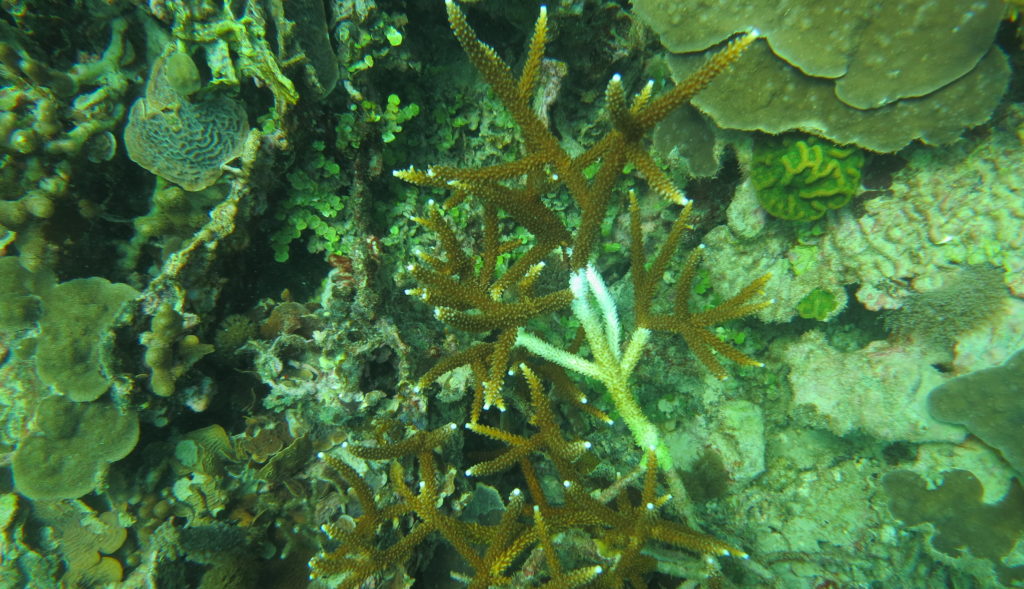
Patch of mostly brown branching corals underwater, with one infected yellow and white coral

Staghorn coral (Acropora cervicornis) with white band disease. (Credit: Sarah Gignoux-Wolfsohn)

by Kristen Minogue

Parasitic slime nets attacking seagrasses. A disease that melts coral tissue down to the skeleton, whose exact cause remains unknown. If these aren’t the first places you’d look for optimism, you’re not alone.

Katrina Lohan heads SERC’s Marine Disease Ecology Lab. She and postdoc Sarah Gignoux-Wolfsohn studied both ailments in Florida. They look for hope in the microscopic realm of DNA. Click to continue »
Share

Do We Live in the Plasticene? 12 Words to Know for the Age of Plastics.

Wednesday, January 15th, 2020

by Kristen Minogue

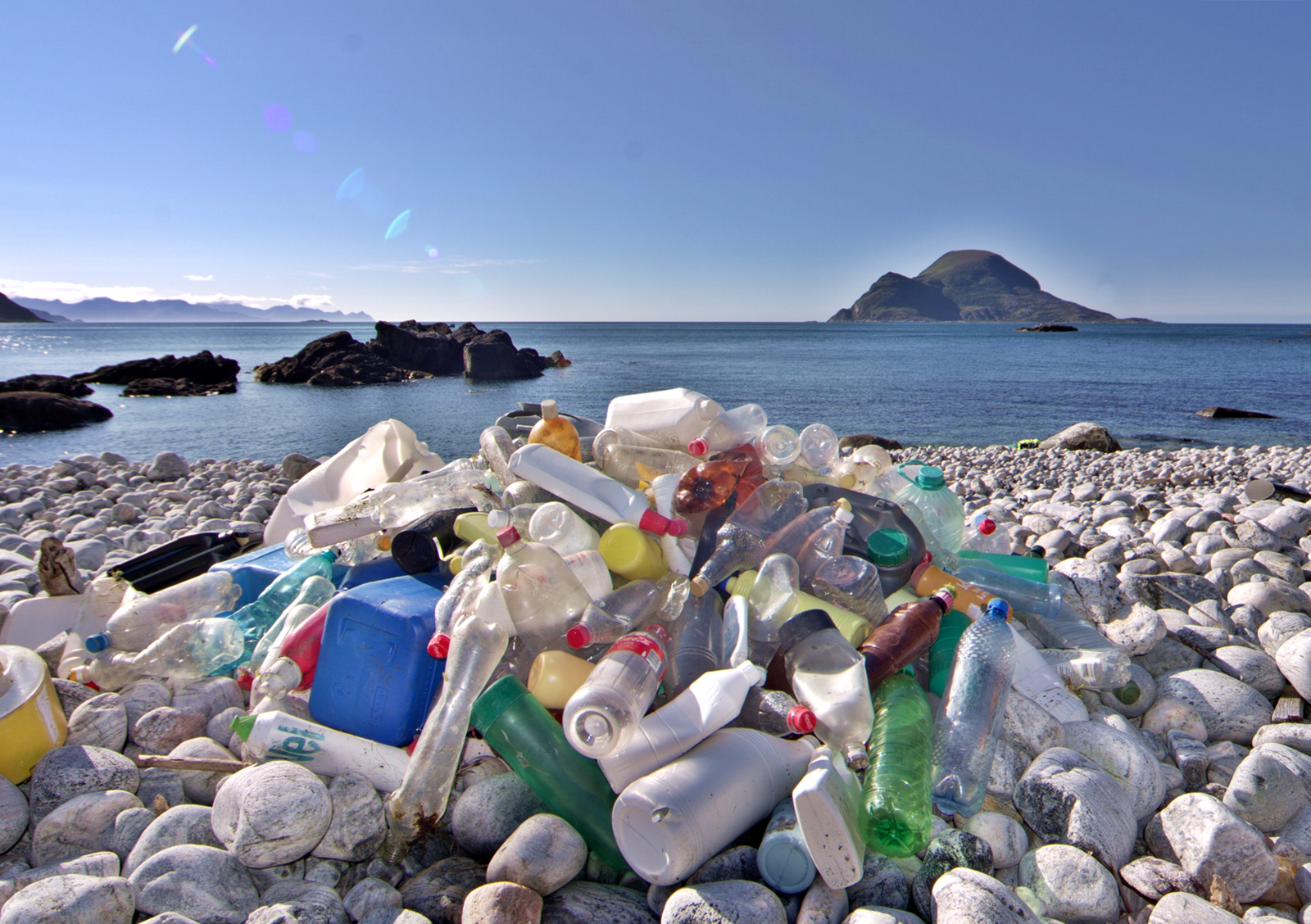
Welcome to the Plasticene. If you’re under age 70, it’s possible you’ve lived in the Plasticene for your entire life. It’s a new geologic age some scientists have proposed to mark the near-universal spread of plastic around Earth. Since the 1950s, researchers say, we’ve been living in the Age of Plastics.

You may have heard of another relatively new time period—the Anthropocene, or Epoch of Humans. (Yes, we live in confusing times.) However, the Age of Plastics isn’t meant to replace that. Instead, the Age of Plastics is a smaller piece of the Epoch of Humans that started in the mid-20th century. Scientists contend it deserves special recognition because, unlike many things we leave behind, plastics can leave a distinct mark in the fossil record.

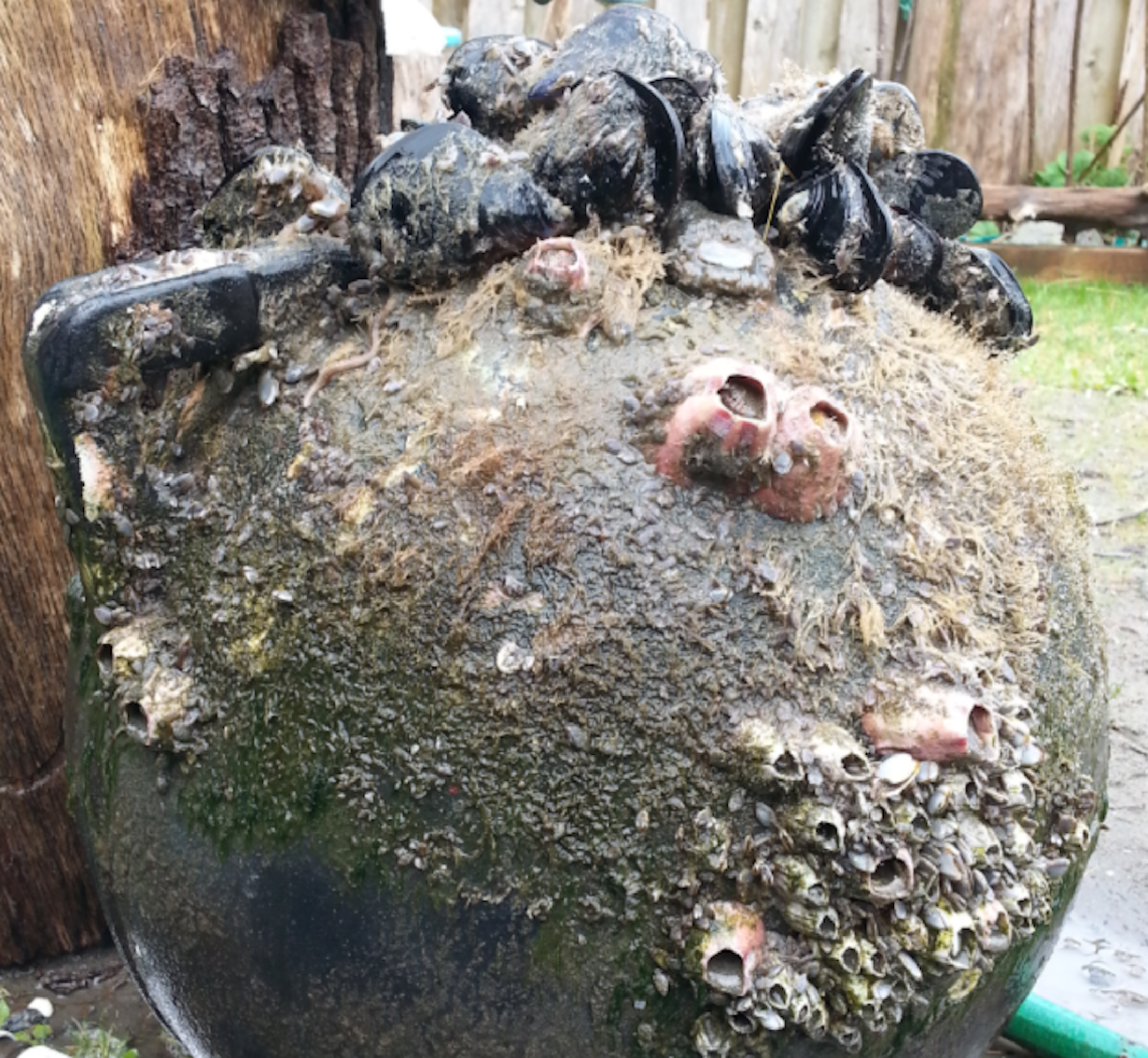
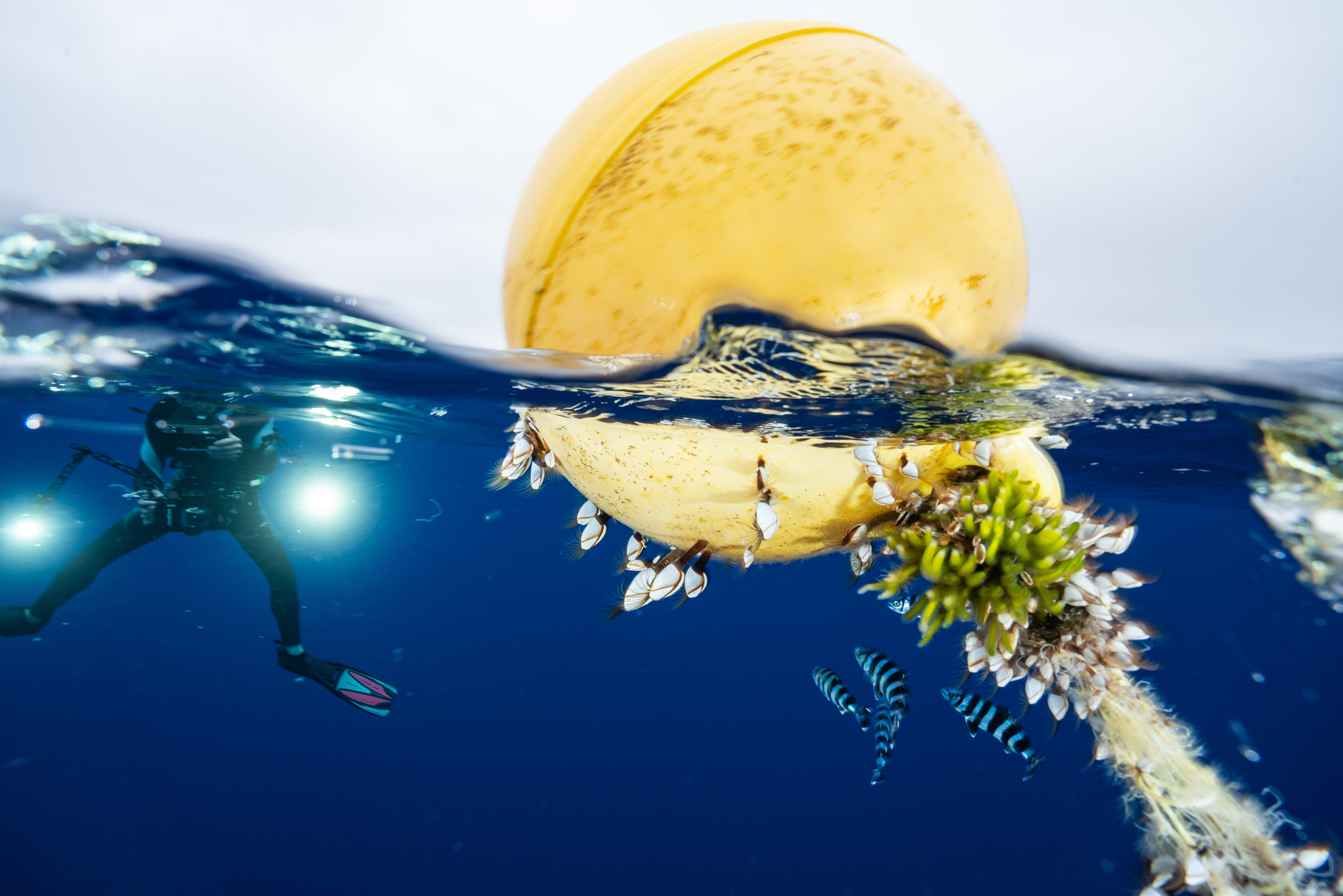
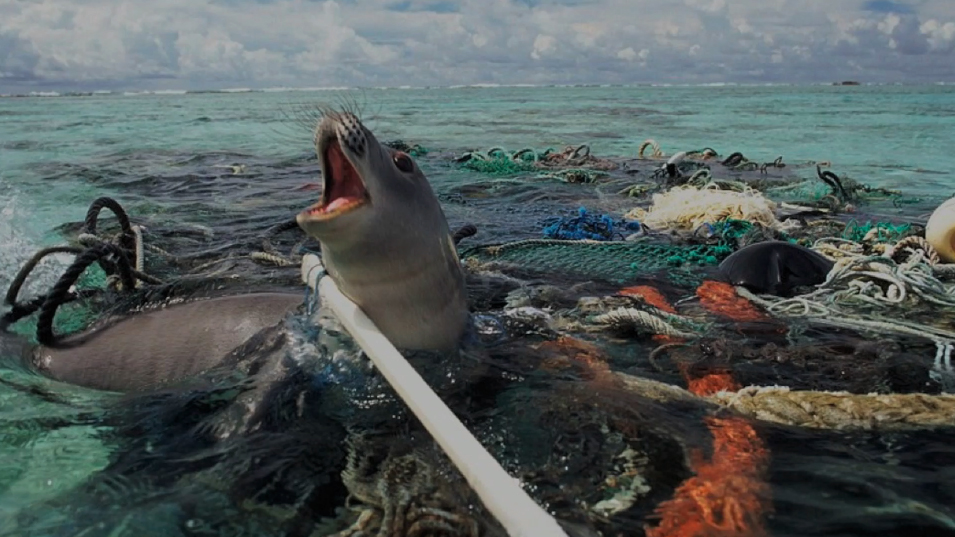
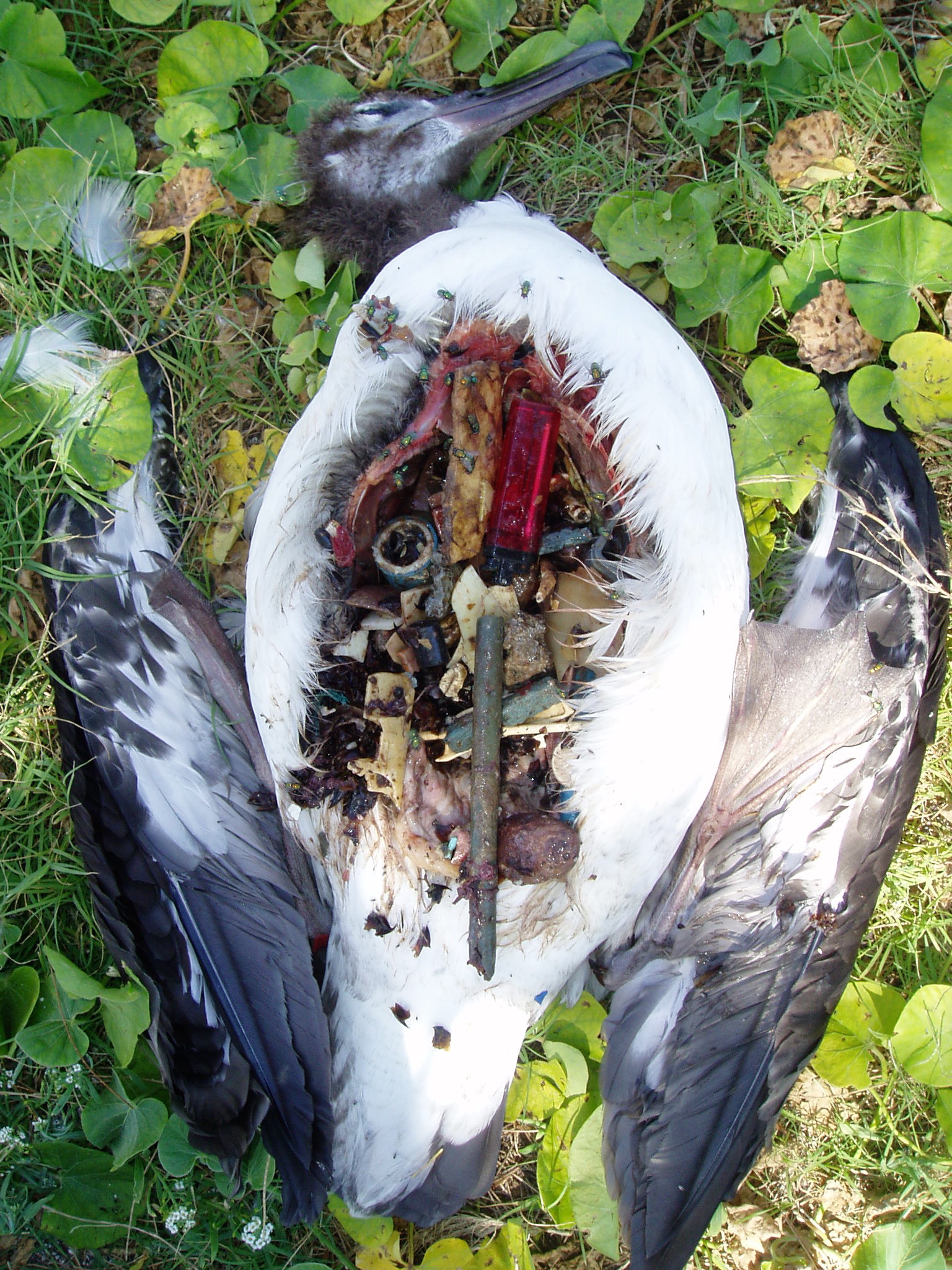
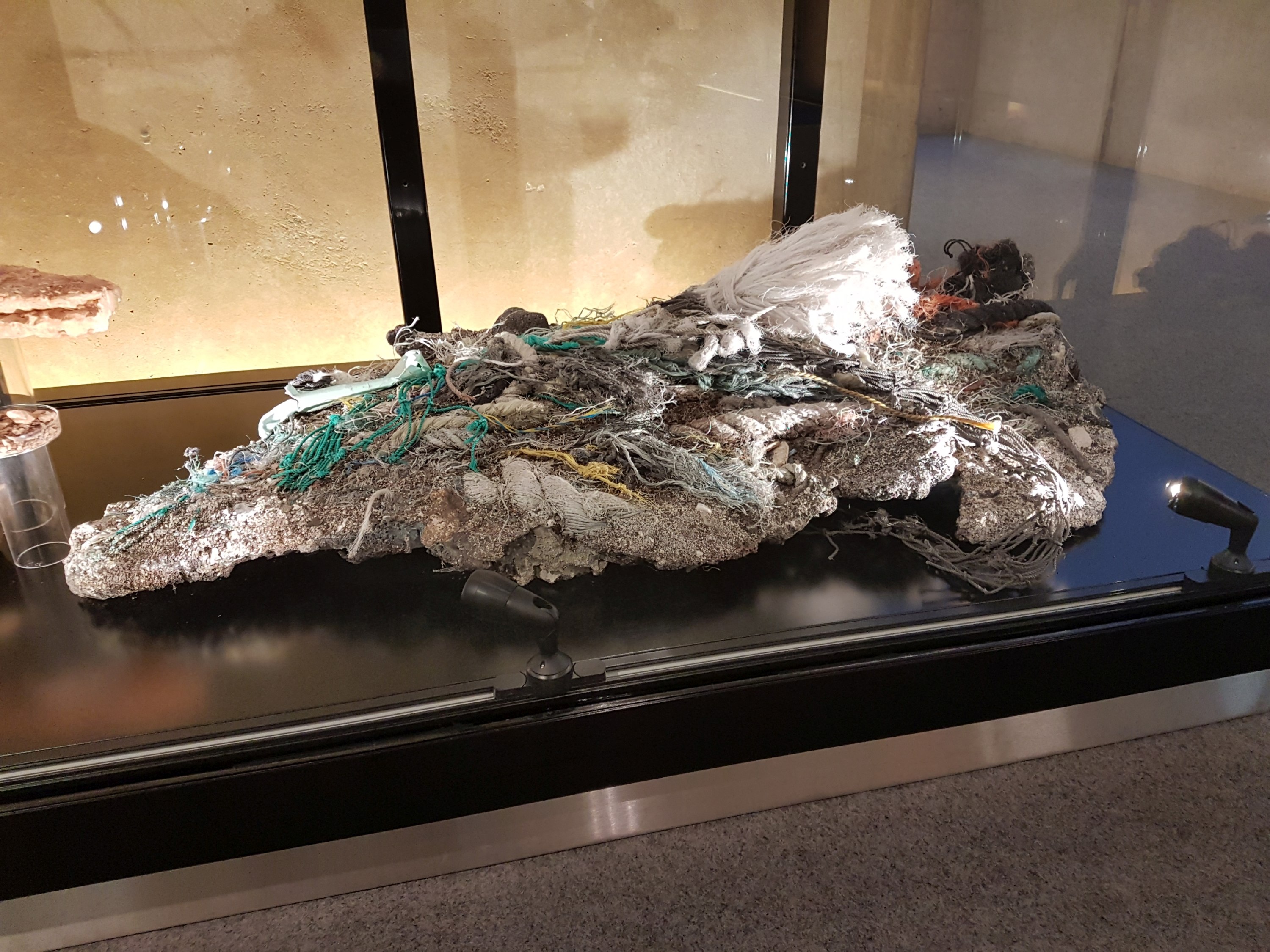
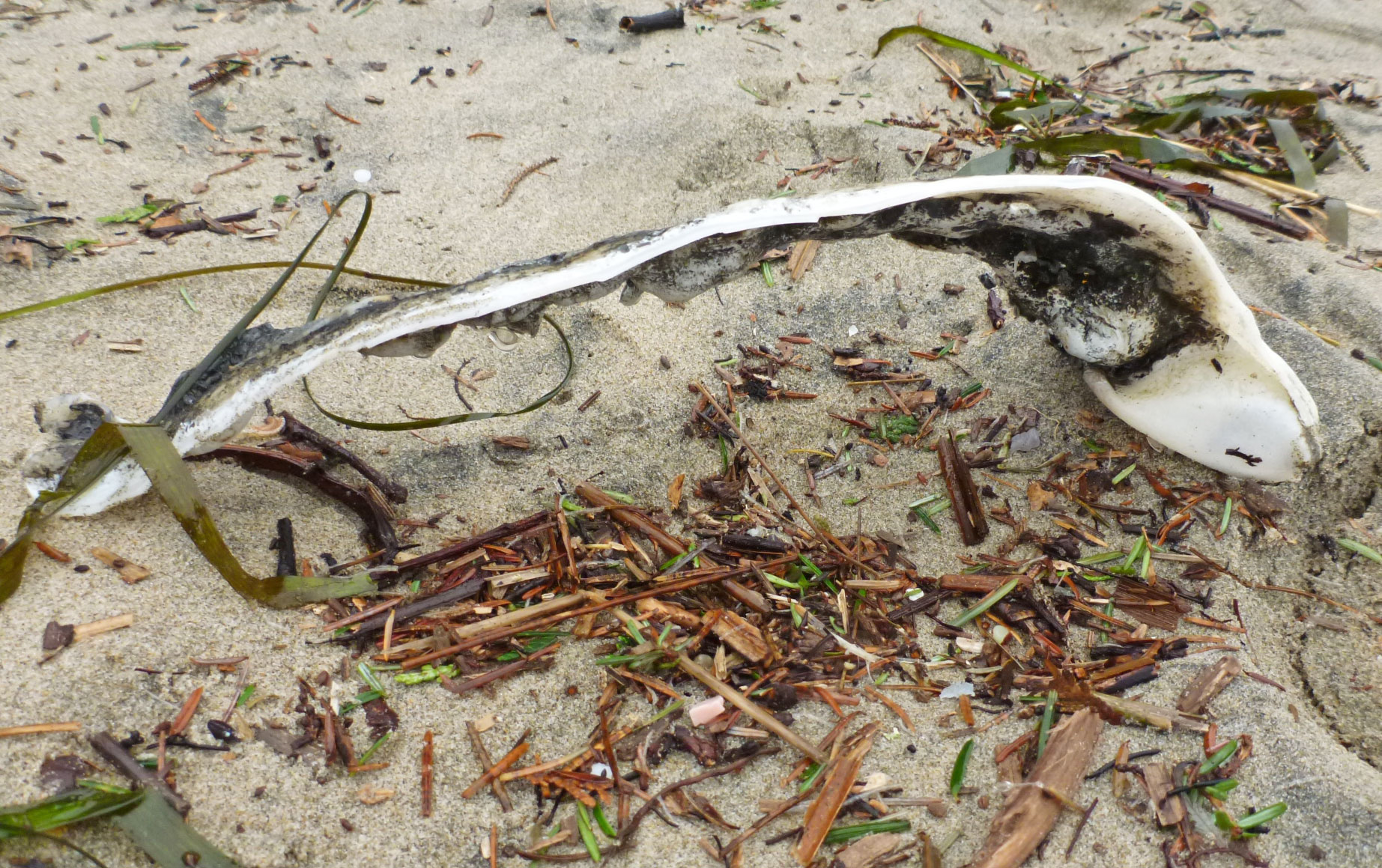
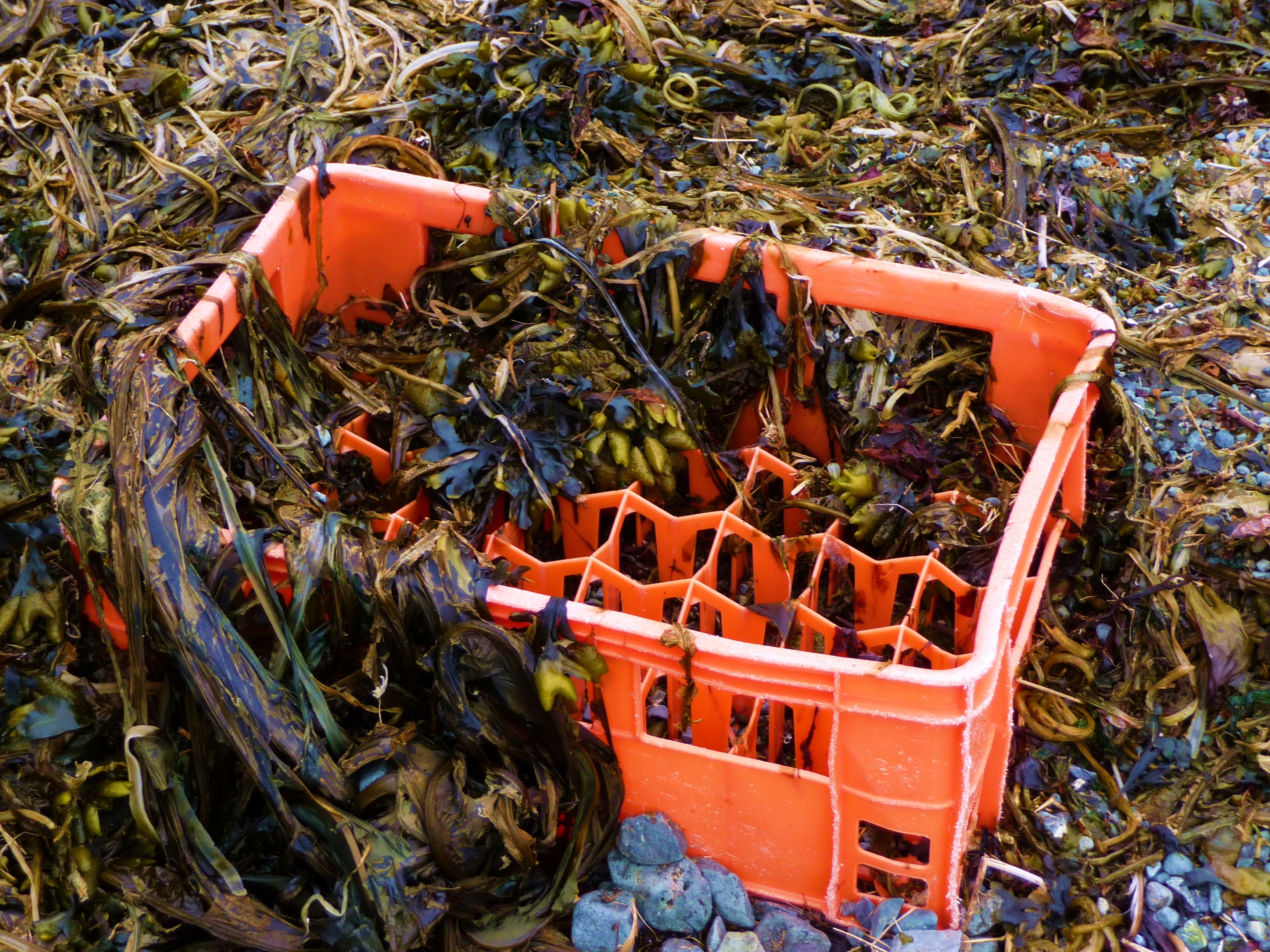
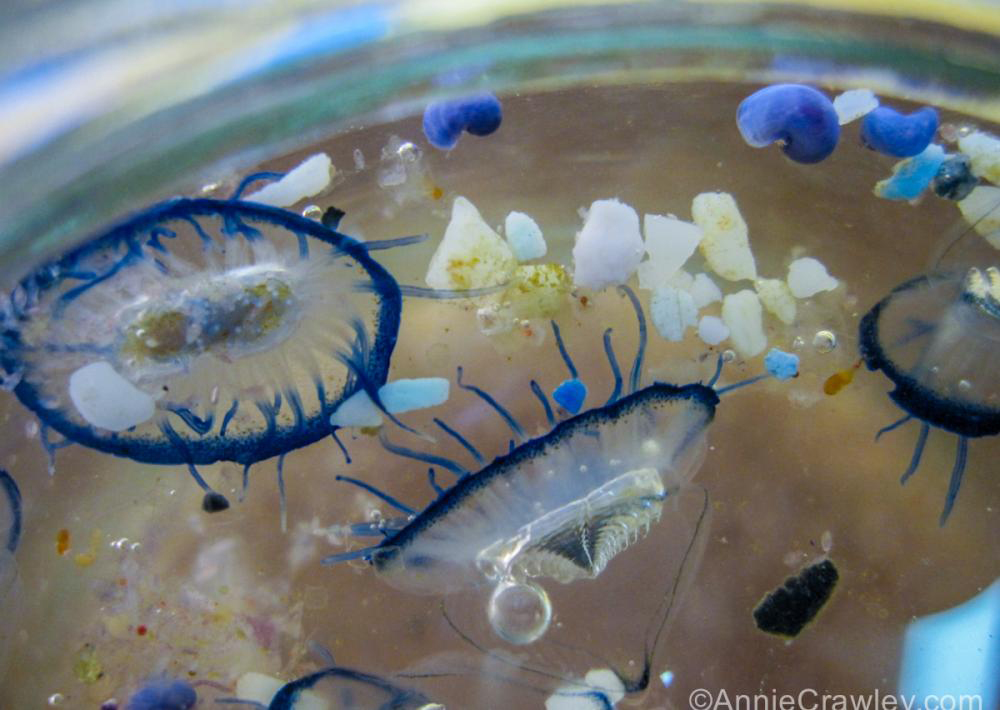
Many strange things have begun appearing in the Age of Plastics, especially in our oceans and along our shores. Some are so new, scientists are just finding words for them. What do you call an animal that makes its home on plastic? How about one that accidentally swallows a bottle cap? For that reason, a team led by Linsey Haram from the Smithsonian Environmental Research Center, Williams College-Mystic Seaport and Hawai’i’s International Pacific Research Center put together a list of terms poised to become more common in the future. Here are 12 words that describe the new age:

The report, “A Plasticene Lexicon,” appeared in the January 2020 issue of Marine Pollution Bulletin. It’s available for download here: https://doi.org/10.1016/j.marpolbul.2019.110714

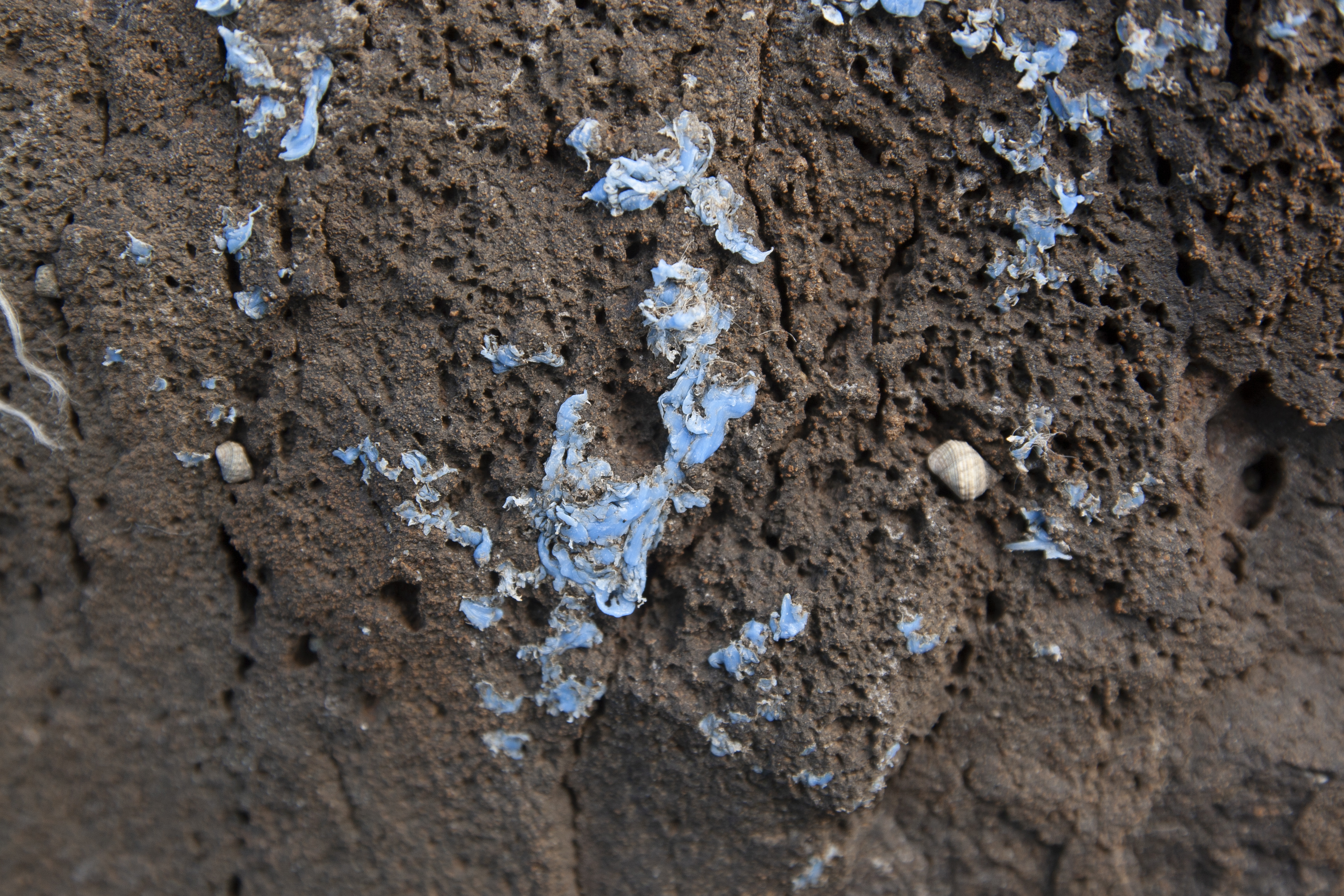
To read about the discovery of plasticrusts by Ignacio Gestoso and the team at Portugal’s Marine and Environmental Science’s Centre, check out this CNN article or find the journal article here.

Learn more:

Video with Linsey Haram: Can animals live in the Great Pacific Garbage Patch?

Web Article: Tsunami Enabled Hundreds of Species to Raft Across the Pacific

Web Article: These Creatures Crossed the Pacific on Plastic Tsunami Debris. Now, A New Struggle for Survival.

Share

Eight Ways We Can Save the Ocean’s Oxygen

Tuesday, December 10th, 2019

by Kristen Minogue

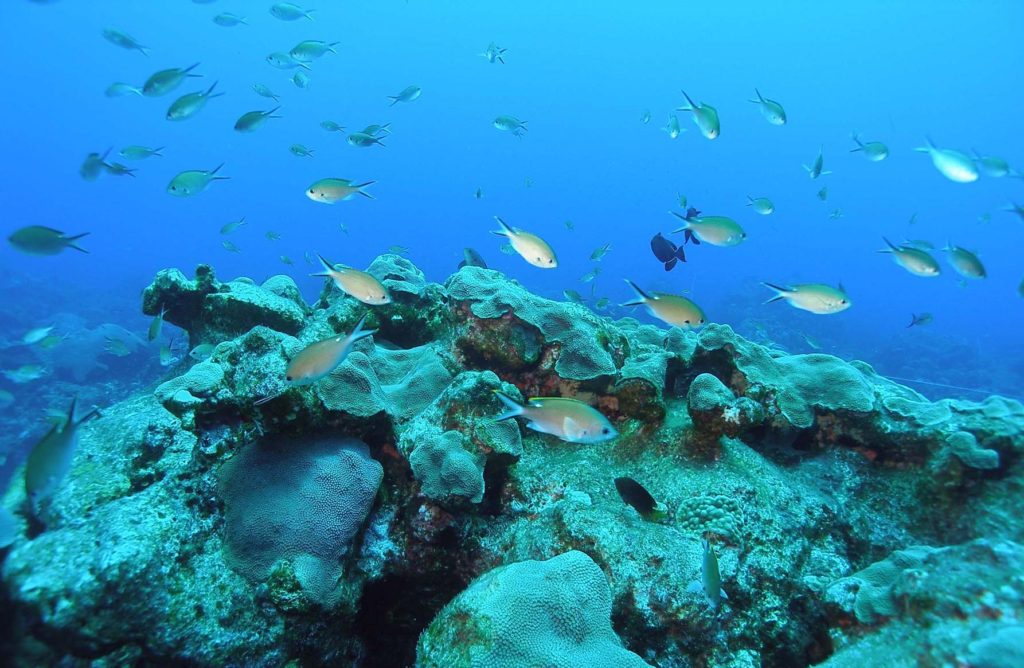
School of beige and blue fish swimming over a reef

Brown Chromis fish in Flower Garden Banks National Marine Sanctuary. (Credit: Emma Hickerson/NOAA)

The ocean is losing its breath. Two years ago, an international team of scientists known as GO2NE (the Global Ocean Oxygen Network) published a report in Science with a stark picture of oxygen loss in Earth’s waters: In the open ocean, the amount of water with zero oxygen has spiked fourfold since the mid-20th century. In coastal water bodies, places with dangerously low oxygen (2 milligrams per liter or less) have increased more than 10-fold. It’s a problem not just for animals, but for people and economies—especially those that rely on tourism or subsistence fishing.

On Dec. 7, a new report emerged from the International Union for the Conservation of Nature. The ocean could lose 3-4% of its total oxygen by the end of the century if nothing changes, with losses even higher in the top, biodiversity-rich 1,000 meters. Large fish like tuna, sharks and marlin are among the most vulnerable. In the closing chapter, led by Denise Breitburg of the Smithsonian Environmental Research Center, they created a massive blueprint for resuscitating the ocean.

We’ve pulled out the highlights below, but the key lies in cracking two global conundrums—nutrient pollution and climate change. Nutrient pollution happens when chemicals like nitrogen and phosphorus stream into the water and fertilize massive growths of algae, which suck oxygen out of the water. Climate change’s role is more subtle, but just as powerful: Warmer water can’t hold as much dissolved oxygen. Warm water also doesn’t mix as well, so oxygen from the atmosphere that’s abundant near the ocean surface doesn’t reach everywhere that needs it.

Fortunately, these two problems are linked. Cleaning up nutrient pollution can help solve climate change, and vice-versa—and the ocean will breathe easier for it. Here are eight highlights from the new report: Click to continue »

Share

Sarah Donelan: How Parents Prep Offspring for Tough Lives Before Birth

Friday, November 22nd, 2019

by Kristen Minogue

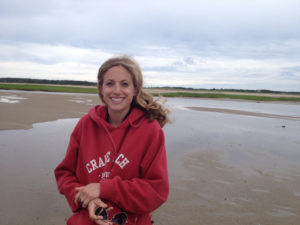
Sarah Donelan in red hoodie on sandy beach

Sarah Donelan in Wellfleet, Massachusetts.
(Credit: Patricia Donelan)

Every parent wants to give their children the best shot at life. But sometimes, this means more than protecting newborns after birth. Some species can prepare offspring for tough conditions before they enter the world. It’s called transgenerational plasticity. Sarah Donelan, a Smithsonian Environmental Research Center postdoc, has spent years piecing together how it works. This November she published a new article highlighting how humans could be changing this age-old parental strategy. Discover more in the Q&A here.

This interview has been edited and condensed for clarity. Click to continue »

Share

What’s the Perfect Temperature
to Bake Your Soil?

Friday, November 15th, 2019

by Kristen Minogue

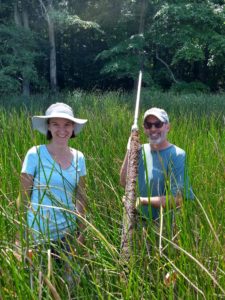
Woman and man standing in marsh; man holds up long soil core.
SERC postdoc Genevieve Noyce (left) and senior scientist Pat Megonigal hold up a soil core from SERC’s Global Change Research Wetland. (Credit: Sairah Malkin/Horn Point Laboratory)

Soils don’t get much credit for their work powering the environment. Even among scientists, they’re routinely overshadowed by their flashier plant neighbors. But as the planet heats up, hidden soil microbes are on the verge of giving plant growth a serious boost.

However, there’s a hiccup in the system. In a new global warming study, ecologist Genevieve Noyce discovered soils and plants are just a couple degrees out of synch.

It boils down to one crucial ingredient: nitrogen. Plants need nitrogen to grow, so it’s a major component of most fertilizers. In the absence of fertilizer, plants get their nitrogen from soil microbes. But they’re at the mercy of supply and demand. In most environments on land today, soil microbes can’t produce nitrogen fast enough to meet plant demand.

In a futuristic experiment, Noyce and her colleagues baked patches of wetland soil to see if that would change in a warmer world.

Click to continue »
Share

Female Blue Crabs Are Running Low On Sperm—Unless They Die Young

Friday, October 25th, 2019

by Kristen Minogue

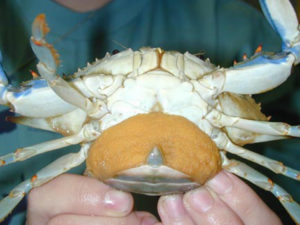
Blue crab with orange sponge on abdomen

A female blue crab can produce sponges like this three times a year, each with millions of eggs. But if male crabs are in short supply, she may not have enough sperm to fertilize all her eggs.
(Credit: SERC)

If you want to save a fishery, protect the females. That’s been the operating logic for decades among fishery managers, and with good reason: Females carry the next generation. Throw one mature female back, and she could produce thousands or millions more offspring. But for female blue crabs, the story isn’t always so simple.

In a study published Oct. 24, scientists from the Smithsonian Environmental Research Center (SERC) confirmed that a potential snag is in fact happening in Chesapeake Bay. Without enough male blue crabs to go around, some females aren’t getting enough sperm to reach their full reproductive potential. If they survive past their first year of spawning, they risk running dry. Click to continue »

Share