add_filter('bloginfo_url', function($output, $property){ error_log("====property=" . $property); return ($property == 'pingback_url') ? null : $output; }, 11, 2);
 

Archives

...now browsing by author


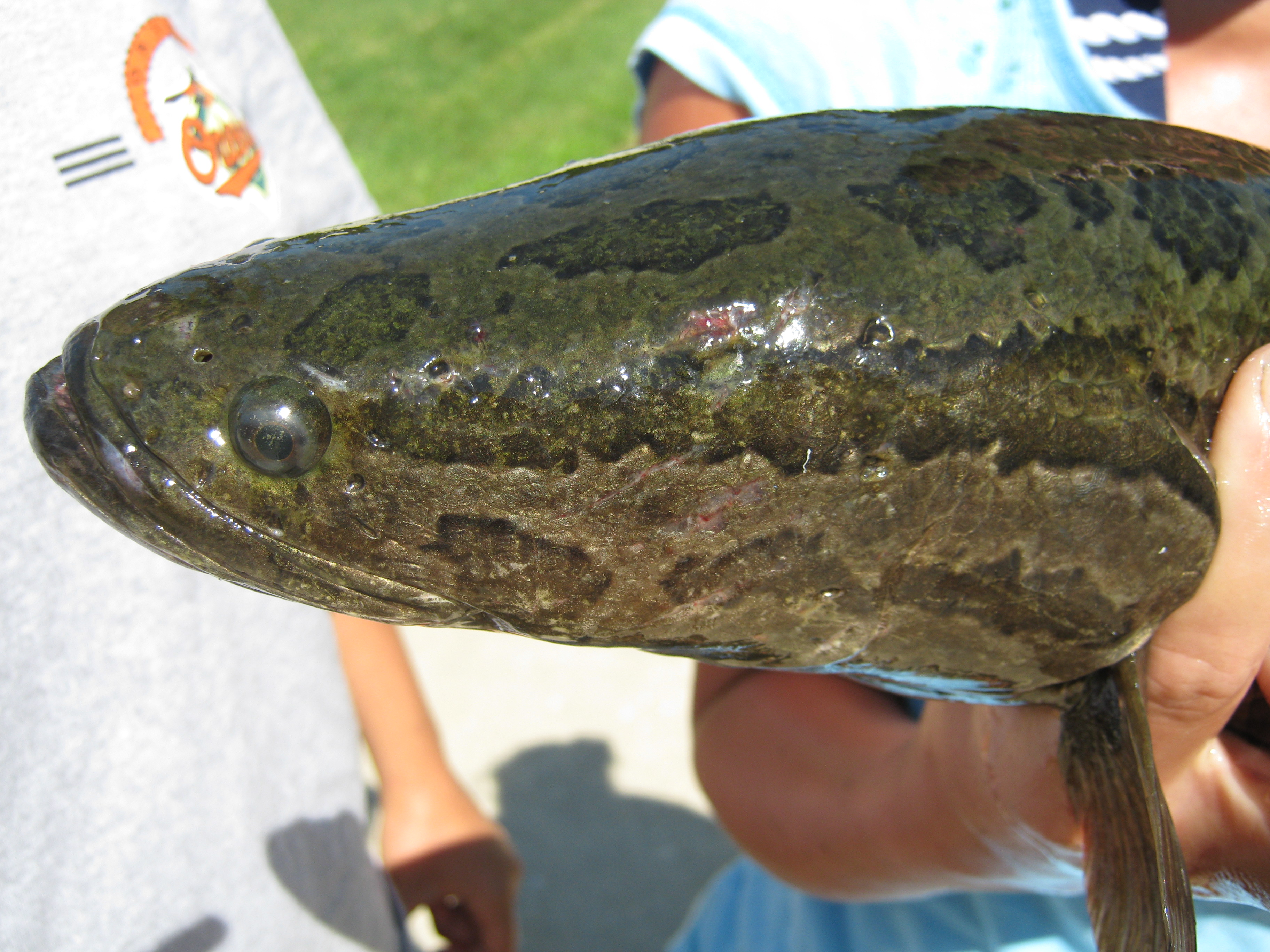
Snakehead Invaders Spread to the Rhode

Tuesday, July 19th, 2011

snakehead

The Northern Snakehead recently crossed into the Rhode River, marking its first appearance in this part of the Bay. Previously scientists thought the Bay's high salinity would hold them in the Potomac, but influxes of freshwater may have smoothed their way.

On the afternoon of Thursday, July 14th, a team of researchers and interns in SERC’s marine invasions lab went out on a routine seining survey in the Rhode River and returned with a troubling catch: a Northern Snakehead fish.

The Northern Snakehead (Channa argus) is a top-level predator that can consume fish and animals up to a third of its body size. It also has the ability to breathe out of water for up to four days if kept moist, using air chambers above its gills that can act as a primitive lung. (But reports of it walking on land are myths. They can at best wriggle short distances, and only juvenile fish have that ability.) More disturbing, at least to ecologists, is their ability to seriously disrupt the food chain wherever they establish themselves.

Native to China, the Northern Snakehead first appeared in Maryland in 2002, in a Crofton pond about 20 miles east of D.C. Regulators moved quickly to eradicate them, but two years later, they established themselves in the Potomac River. Since snakeheads thrive in freshwater (they typically cannot tolerate salinities higher than 15 parts per thousand), it was thought they would be unable to expand beyond the Potomac. But ecologists suspect an influx of freshwater into Chesapeake Bay could have paved the way for them to leave the Potomac and invade other tributaries, such as the Rhode River.

Important note: It is illegal to own or move a Northern Snakehead in the state of Maryland. If you do catch one, the Department of Natural Resources requests that you promptly dispatch it (freezing recommended) and contact the Maryland or Virginia DNR. Though some also suggest cooking it for dinner.

-by Kristen Minogue

See also: Narratives from two interns on the sampling team

Share

Grimy field work? Give it to the tourists.

Tuesday, July 12th, 2011

by Kristen Minogue

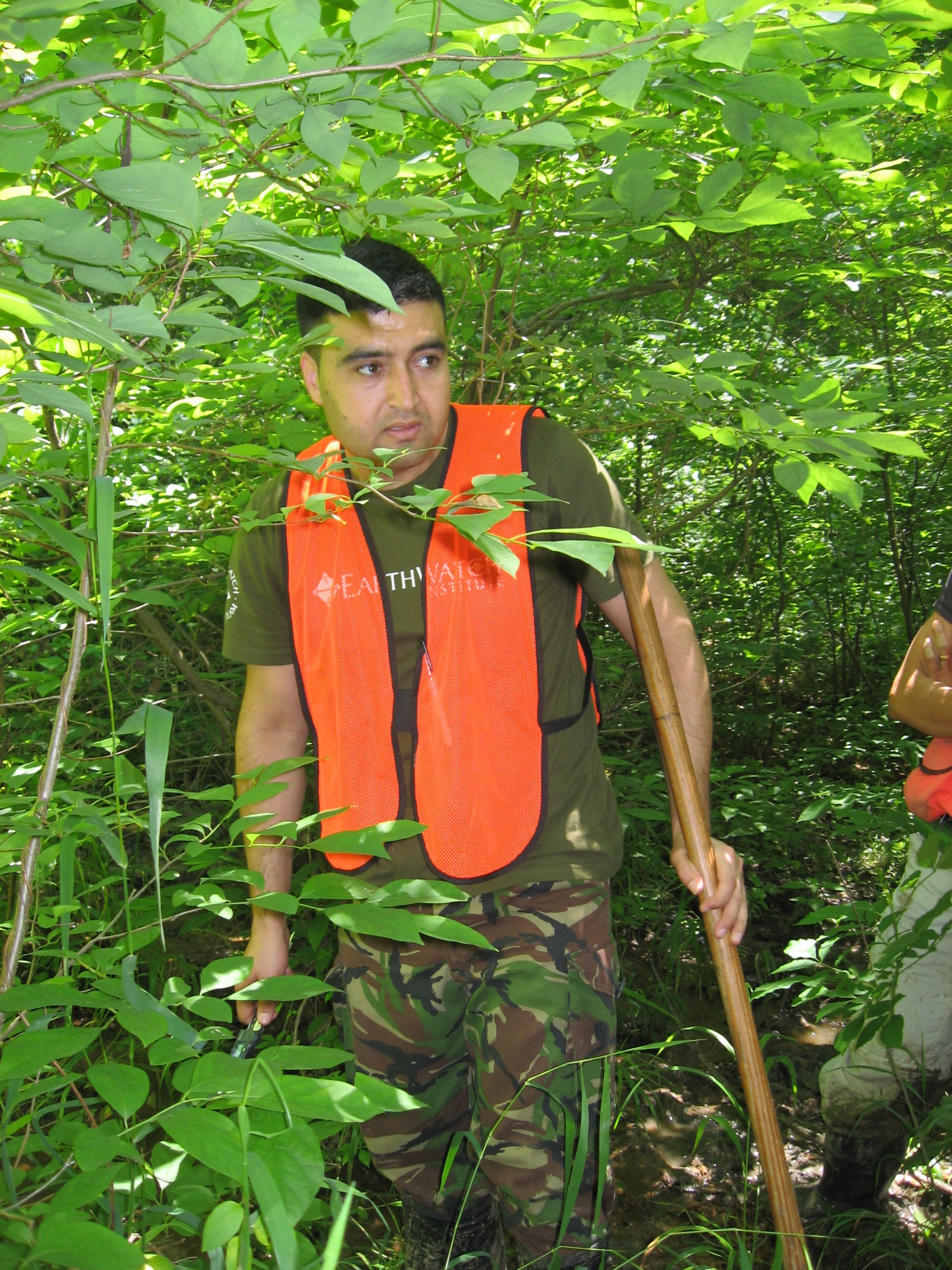
Ali Kishwar, a volunteer tourist from Pakistan, navigates the muddy terrain across from SERC’s beaver pond with caution. (Credit: SERC)

For most people, summer vacation means stretching out on a beach in the South Pacific, touring the ruins of ancient Greece, or (for the more outdoors-inclined) hiking the Inca Trail in Peru. It does not usually entail wading through ankle-deep mud to measure the diameters of trees.

Paul Smith, a 63-year-old retired engineer, travelled to SERC all the way from the United Kingdom to do it. So did Ali Kishwar, a Pakistani doctorate student who took a break from studying medicinal plants at the University of Reading in Berkshire, also in the U.K. Smith and Kishwar joined a motley group of seven citizen scientists who paid to spend a week at SERC doing field work.
Click to continue »

Share

The Making of a Green Science Lab

Monday, May 16th, 2011

Architect\’s image of new Mathias Lab, complete with rain cistern on porch and wetlands to the left. (Credit: EwingCole)

Sustainable houses and office buildings have seen their popularity surge in recent years. But creating a more sustainable laboratory, especially one with chemistry research, where fume hoods can consume up to three times as much energy as an average home, is a bit more of a challenge.

Click to continue »

Share

Climate Change & Biodiversity: What’s Next?

Monday, April 25th, 2011

Research suggests some species in the tropics and subtropics may be more resistant to climate change than species closer to the poles. (Credit: SERC)

The threat of radical climate change has made predicting the future of biodiversity a critical challenge for scientists. However, untangling the many intricacies of how climate can affect plant and animal species can also be quite daunting. SERC ecologist Sean McMahon and co-authors, including three Nobel Laureates from the U.N. IPCC report, tackle the issue in a paper published this month in Trends in Ecology and Evolution. Broken down, here’s what we already know about biodiversity and climate, what we still need to know, and what to do next.
Click to continue »

Share

As the Mangroves March North…

Friday, April 22nd, 2011

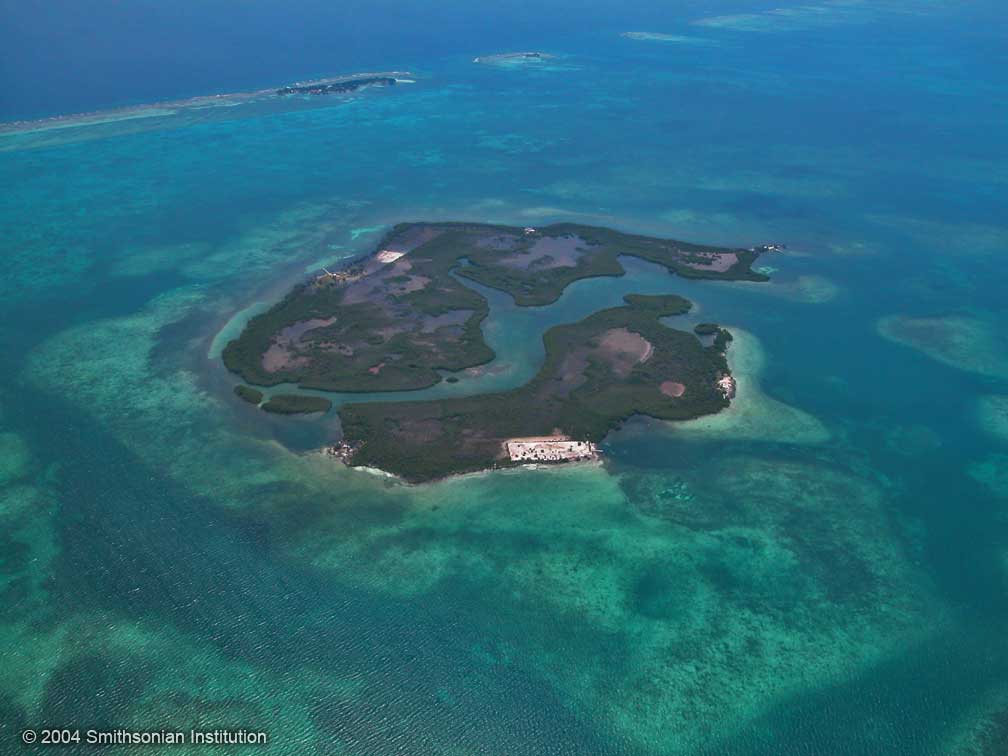
Aerial view of Mangal Cay in the western Caribbean – just one of many mangrove havens Ilka Feller has explored.

As global temperatures rise, mangrove forests from the southeastern US are pushing farther north. Scientists don’t know how long, how fast, or what the exact consequences will be, but images from NASA satellites – and $1.3 million – will help them find out.

Ilka Feller, senior ecologist at the Smithsonian Environmental Research Center, will lead the effort to track more than 100 miles of Florida mangrove forests encroaching on their northern neighbors, the salt marshes. Feller has been studying mangroves for almost 20 years, keeping tabs on their progress in Florida, Panama, Belize and Australia. The new grant is one of 15 NASA-sponsored projects that will combine satellite data with field work to give scientists a bird’s-eye view of climate change.

Click to continue »

Share

New Genome Helps Crack Methylmercury Code

Friday, April 15th, 2011

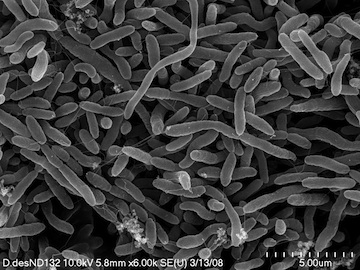
A bacterium called Desulfovibrio desulfuricans strain ND132 can transform elemental mercury into methylmercury, a human neurotoxin. Credit: Oak Ridge National Laboratory.

A newly decoded bacterial genome brings scientists one step closer to unlocking the secret behind the production of methylmercury, the chemical notorious for contaminating tuna and other seafood.

Click to continue »

Share

How to Block Ship-borne Bioinvaders Before They Dock

Friday, March 25th, 2011

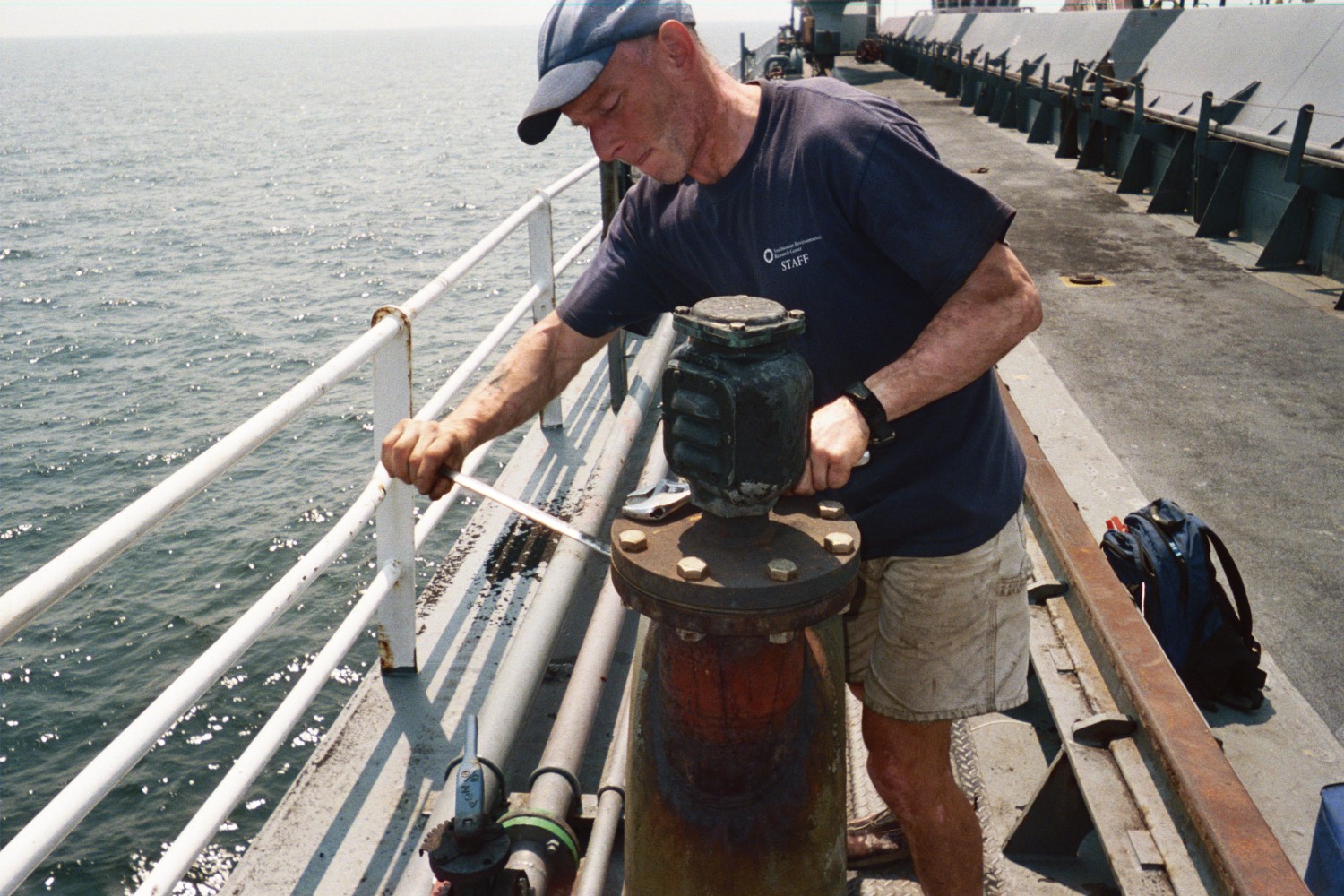
SERC researcher George Smith opens an air vent on the ship Patcantrell for a ballast water experiment. (Credit: Timothy Mullady/SERC)

The global economy depends on marine transportation. But in addition to cargo, the world’s 50,000-plus commercial ships carry tiny stowaways that can cause huge problems for the environment and economy. A new model, published Thursday in the journal Environmental Science & Technology, will help ships screen more accurately for dangerous species before they unload.

Click to continue »

Share

Discovery on the Mudflats

Thursday, February 3rd, 2011

by Monaca Noble

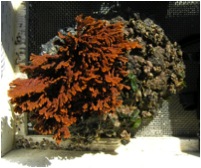
An orange sponge grows from a bryolith ball.

An orange sponge made this bryolith its home.

What are these rocks doing on the mudflat? That was the question a group of researchers in San Francisco’s South Bay asked in 2005. They were engaged in a native oyster restoration project when they stumbled upon some rather large rocks. They kicked one to the surface and recognized it as a bryozoan colony. SERC researcher Chela Zabin realized that this free-living bryozoan colony was very unusual; normally they grow on hard surfaces. Zabin and Joshua Mackie, of San Jose State University, identified the organism as Schizoporella errata, a type of calcified encrusting bryozoan that usually grows on pilings, boat hulls and docks. 
Click to continue »

Share

Slipper Limpets and Stress, A Tale of Two Interns

Wednesday, December 1st, 2010

By Florian von Bechtolsheim and Anne Phillip, 2010 Summer Interns

“Anybody got some heavy-duty, double-zipper, sandwich-size Ziploc bags?” We had many such questions for everyone at SERC. We were known this summer as two students, looking for random stuff and entrenching ourselves in the wet lab. There was a reason for that.
Click to continue »

Share

Smithsonian Study Measures Watershed-wide Effects of Riparian Buffers on Nutrient Pollution

Wednesday, October 27th, 2010
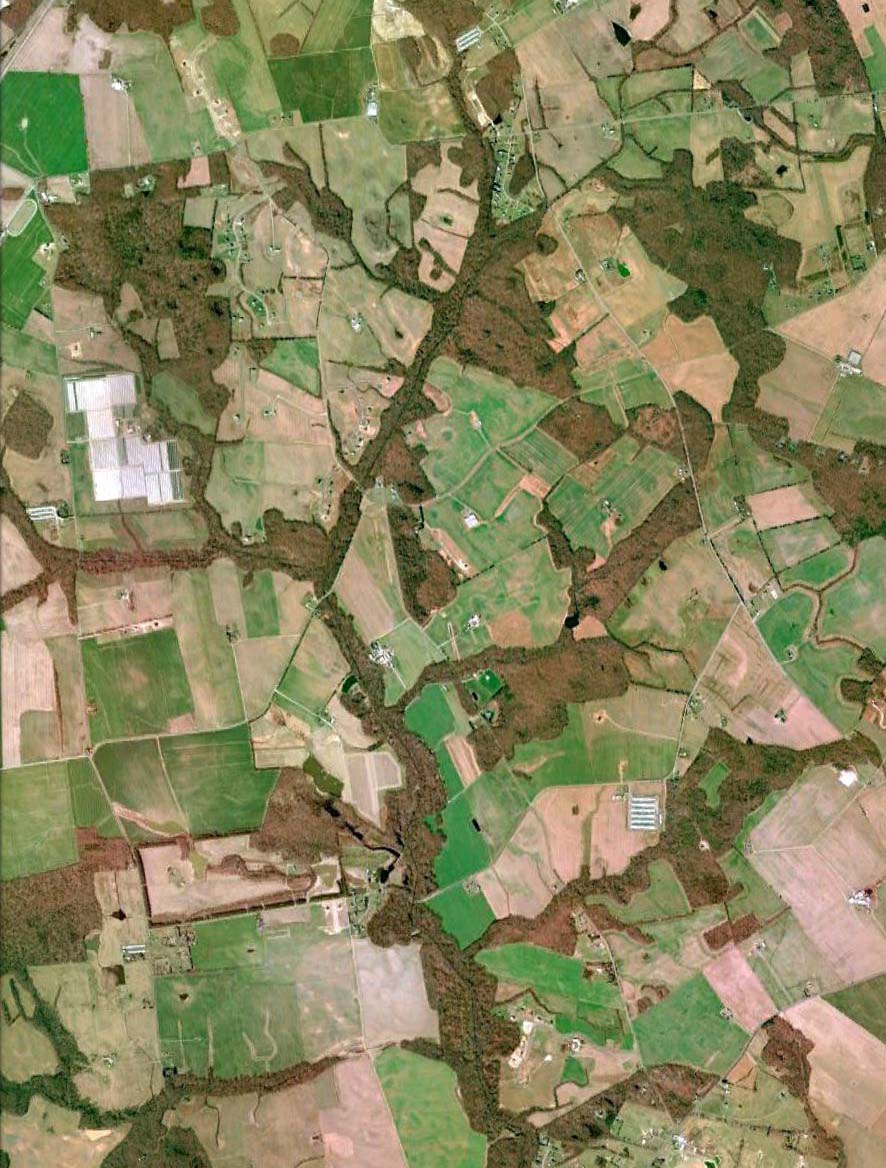
Aerial photo of farmland and streams - with trees growing in between them.

Well-developed riparian forests outline streams and help protect stream water quality.

Most of the time, nutrients are viewed as a positive and essential part of life. However, excess amounts of a nutrient, like nitrogen, can create major ecological problems for the Chesapeake Bay and other aquatic ecosystems. Too much nitrogen leads to an abundance of microscopic plant growth in the water. When the algae die and decay, they consume the oxygen that other organisms need to thrive.

Much of the Bay’s nitrogen pollution comes from farms where rainwater carries nitrate, a form of nitrogen, from fields into streams that drain into the Bay. For years, ecologists have noted that forests and wetlands growing between croplands and streams can reduce the amount of nitrate that reaches the waterways. Scientists have measured nitrate removal by these “riparian buffers,” but only in small study areas.
Click to continue »

Share