add_filter('bloginfo_url', function($output, $property){ error_log("====property=" . $property); return ($property == 'pingback_url') ? null : $output; }, 11, 2);
 

Archives

...now browsing by author


Top Nature Poems Under 100 Words

Thursday, April 26th, 2012

It’s national Poem in Your Pocket Day, and brevity has been the soul of wit since (approximately) 1603. We’re celebrating by showcasing some of the shortest nature poems in the history of the written language.

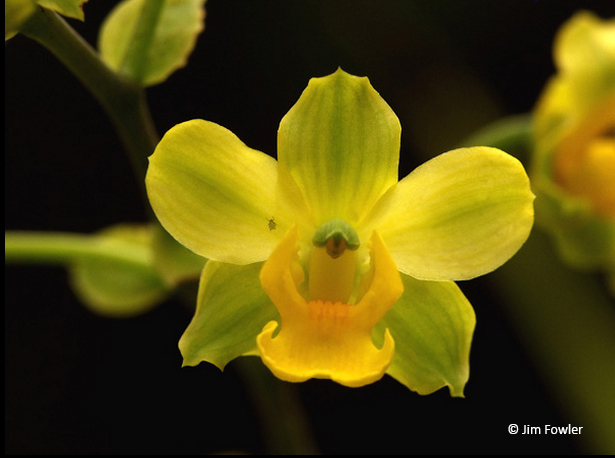
Yellow cowhorn orchid, Cyrtopodium flavum (Jim Fowler)

Yellow cowhorn orchid, Cyrtopodium flavum (Jim Fowler)

Nature rarer uses Yellow
Than another Hue.
Saves she all of that for Sunsets
Prodigal of Blue

Spending Scarlet, like a Woman
Yellow she affords
Only scantly and selectly
Like a Lover’s Words.
-Emily Dickinson (1830-1886)
Click to continue »

Share

The Hidden Eyes of Blind Cats

Monday, April 9th, 2012

by Samantha Reed

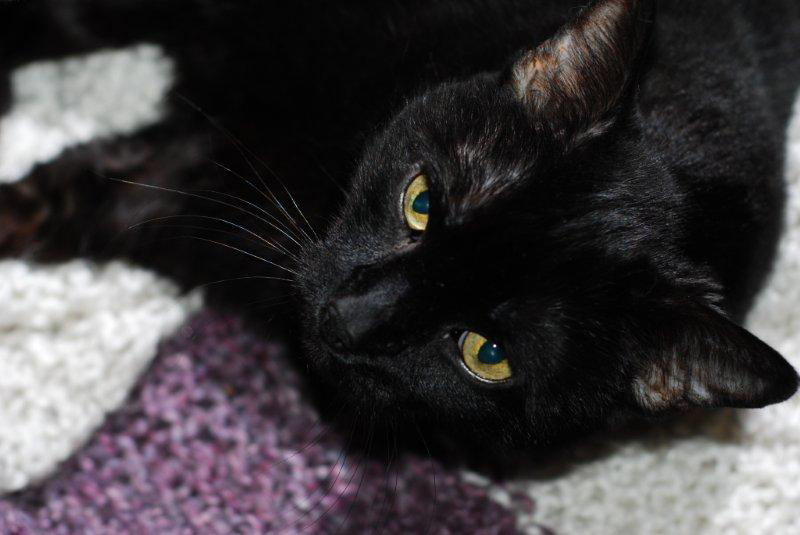
Photo courtesy of Samantha Reed


Cats don’t need their eyes to see in the dark. It turns out they have something even better. This spring, 12-year-old SERC student Samantha Reed decided to find out if the same thing could help humans.
Click to continue »

Share

The Grass That Glued Itself to Maryland

Monday, April 2nd, 2012

by Kristen Minogue

Vanessa Beauchamp/Towson University


Fourteen years ago, a green, hairy and incredibly sticky plant appeared in a Maryland park. Now it has biologists all over the state worried. But does this South Asian forest grass have what it takes to be a serious invader?
Click to continue »

Share

The Beautiful World of Sea Squirts

Thursday, March 15th, 2012

by Kristen Minogue

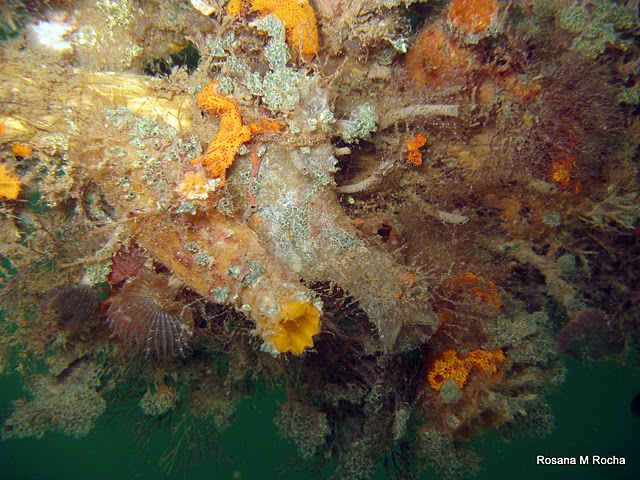
Ascidia sydneiensis. Rosana Rocha, Universidade Federal do Paraná

Tunicates. Ascidians. Filter-feeders. Sea grapes. Sea squirts. They go by many names, all describing some of the most colorful invaders in the ocean. A photo gallery from the marine invasions lab offers a glimpse of the most stunning.

Click to continue »

Share

4 Ways Birds (and Salamanders) Make Humans Look Primitive

Friday, February 24th, 2012

by Kristen Minogue

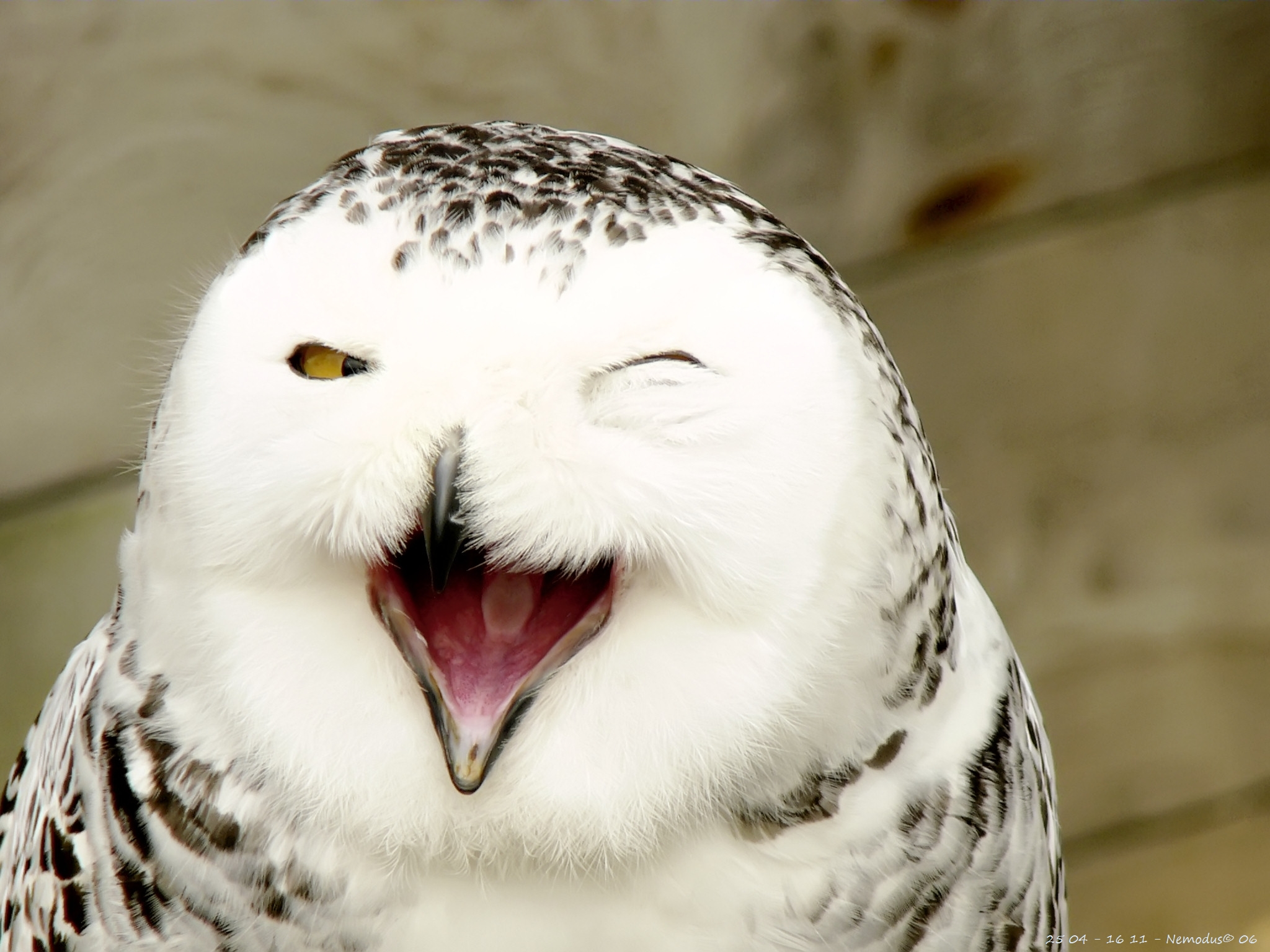
Laughter of a Snowy Owl

Nemodus Photos

Sometimes Mother Nature completely outdoes anything we’ve created for ourselves. Accomplishments like the Agricultural and Industrial Revolutions can seem almost laughable when there are lizards that can walk on water. When that happens, smart engineers try to take a lesson from it. It’s called biomimicry: technology inspired by nature. Examples include gecko tape, shape-shifting airplane wings and Velcro©. Last week a group of teenage students in SERC’s home-school program finished their own research on animal physiology and brought a few more examples to our attention. Here are four ways birds and amphibians outclass humanity – and some wacky yet brilliant ways we can mimic them.
Click to continue »

Share

Invaders escape persecution from parasites

Tuesday, February 7th, 2012

by Monaca Noble

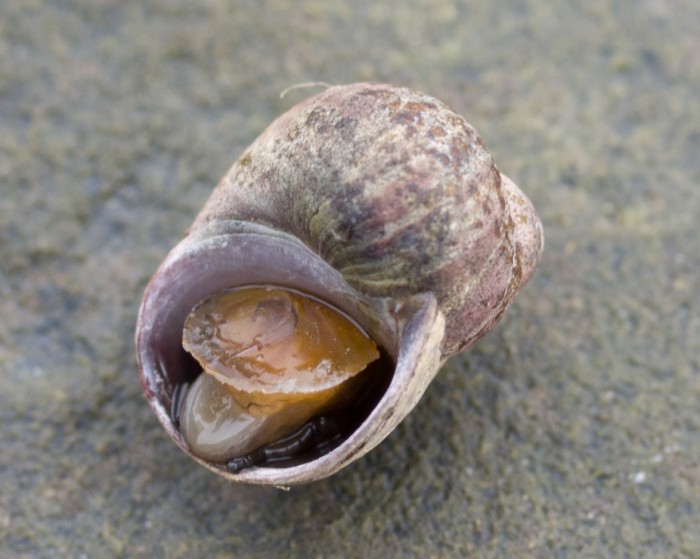
Invasion was a godsend for the rough periwinkle snail, which managed to escape its flatworm parasites. (World Register of Marine Species)

Most organisms have several types of parasites associated with them. However, when species are introduced, they may lose some of their natural parasites through the invasion process. Or sometimes, parasites that survive the journey don’t do very well in the new environment. In essence invasion acts as a filter limiting the number of parasites that are transported and introduced. In science this process is called the parasite escape hypothesis.

Take the common cat parasite Toxoplasma gondii. T. gondii‘s complex two-host life cycle makes it difficult for it to adapt to new places. The parasite has two phases, a sexual phase and an asexual phase. The sexual phase can only take place in the cat (primary host), but the asexual phase can occur in several mammal species (secondary host) including cats, mice, humans, and birds. Because the parasite must infect a cat to reproduce and survive, its preferred secondary host is a mouse. If a mouse infected with T. gondii were introduced into an area with no cats, the parasite would not be able to survive.
Click to continue »
Share

Endangered Orchids: Why Planting New Forests Isn’t Enough

Monday, January 30th, 2012

by Kristen Minogue

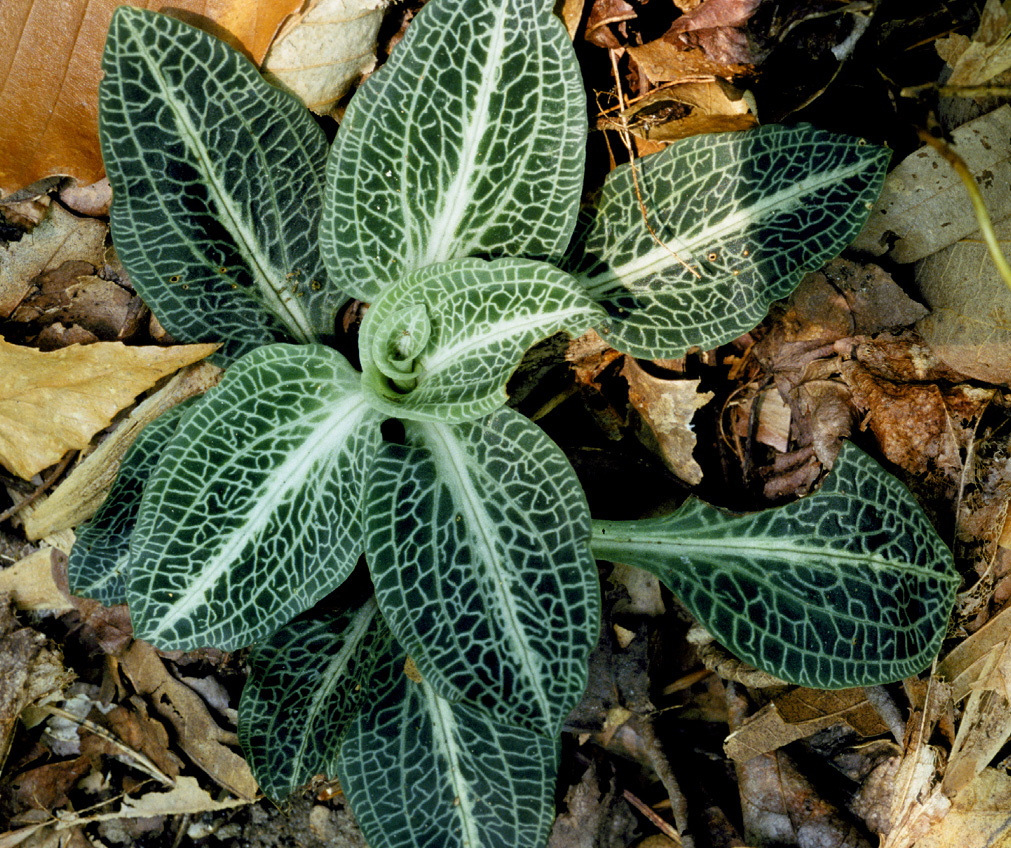
Downy rattlesnake orchid. (Melissa McCormick/SERC)

Orchids can be notoriously picky plants – a fact which makes conserving the endangered ones a difficult job for ecologists. In a paper published this month in the journal Molecular Ecology, SERC ecologists revealed that an orchid’s survival hinges on two factors: a forest’s age and its fungi.

Roughly 10 percent of all plant species are orchids, making them the largest plant family on Earth. But habitat loss has rendered many threatened or endangered. This is partly due to their intimate relationship with the soil. Orchids depend entirely on microscopic fungi in the early stages of their lives. Without the nutrients orchids get digesting these host fungi, their seeds often won’t germinate and baby orchids won’t grow. And not every fungus works for every orchid. If there’s a mismatch, the fungus is effectively useless.

But while researchers have known about the orchid-fungus relationship for years, very little is known about what the fungi need to survive. And it turns out the fungi can be just as picky as the orchids.
Click to continue »

Share

Toughest Shellfish in the Sea?

Tuesday, January 24th, 2012

by Kristen Minogue

Blue mussels (Credit: Meriseal)

Some species can survive just about anywhere. Take blue mussels, a group of shellfish whose habitat stretches from the Arctic to the Mediterranean. Over the last several decades, biologists have thrown all kinds of tests at them – heat, cold, saltwater, freshwater, low oxygen. They’ve even tried drying them out. Almost nothing fazes these animals. For invasion scientists trying to figure out how far they could spread, that’s a scary prospect.
Click to continue »

Share

Snowmageddon vs. Caribbean Creep

Monday, January 9th, 2012

by Monaca Noble

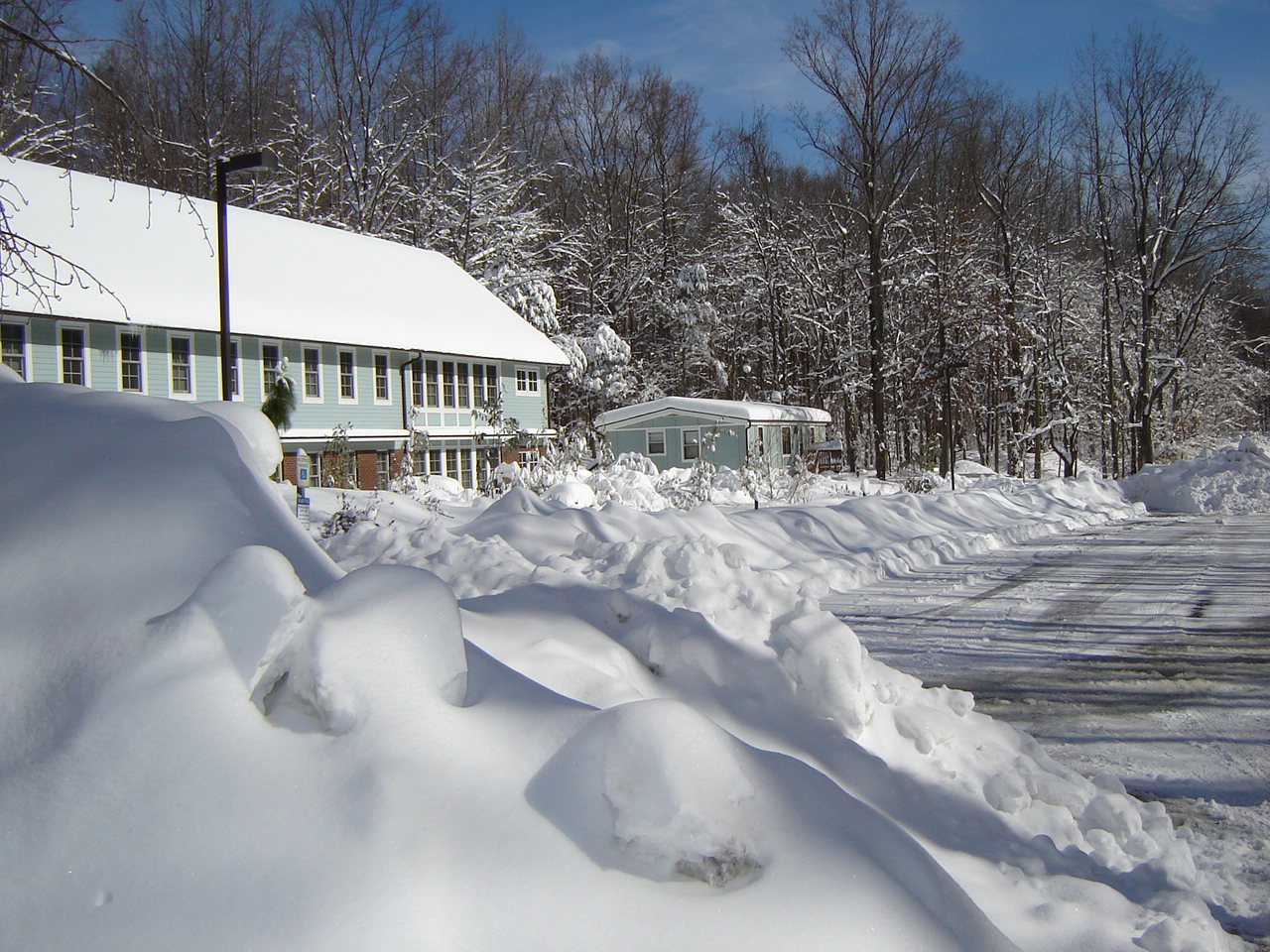
SERC's Green Village during Snowmageddon February 2010 (Stephen Sanford)

Remember Snowmageddon 2010, the east coast storms that dumped up to three feet of snow over the mid-Atlantic? The February snowstorm was the largest in the region in nearly 90 years, resulting in the heaviest snowfall on record for Delaware (26.5 inches) and the third heaviest snowfall in Baltimore (24.8 inches). The storm made a big impression on Dr. João Canning-Clode and other scientists at the Smithsonian Environmental Research Center, who began to wonder if the storm, and the December/January cold snap that preceded it, would lead to the deaths and potential disappearance of marine invaders from southern climates.
Click to continue »

Share

How Plants (Occasionally) Escape the Food Chain

Friday, December 23rd, 2011

by Kristen Minogue

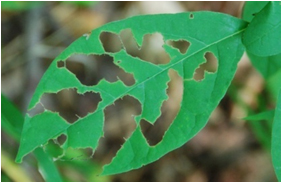
Leaf shredded by insects. Credit: Marina LaForgia


It’s a trick worthy of any spy thriller: to elude an enemy, hide among something it won’t notice. Or, to be extra safe, something it finds incredibly disgusting. It turns out the same strategy can work for plants that don’t want to get eaten. Sometimes.

For the last seven months, intern Marina LaForgia has kept tabs on tree saplings in more than a dozen different environments and watched the game of ecological survival play out. As she tracked their progress, she searched for an answer to a deceptively simple question: Is diversity good for plants? When it comes to the food chain, will hungry herbivores pass over tasty plants if they’re surrounded by less palatable ones?
Click to continue »

Share