add_filter('bloginfo_url', function($output, $property){ error_log("====property=" . $property); return ($property == 'pingback_url') ? null : $output; }, 11, 2);
 

Archives

...now browsing by author


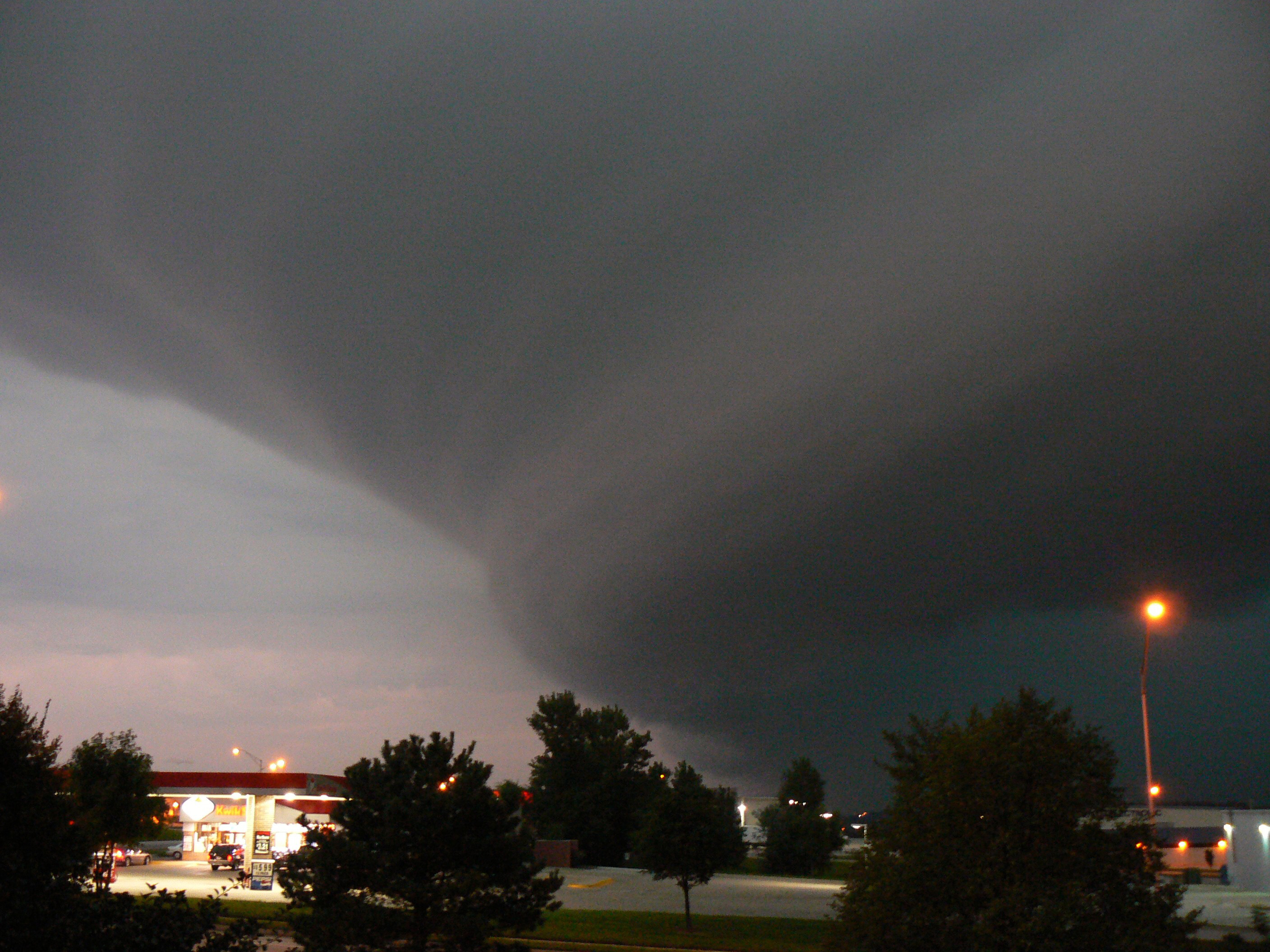
Land Hurricanes: The Science Behind the Derecho

Tuesday, July 3rd, 2012

by Kristen Minogue

Derecho storm front over Nebraska in August 2007. (MONGO)

To say the tempests of June 29 took the U.S. by surprise would be an understatement. Near Annapolis, the storms jumped from a mild 10 miles per hour to 54 miles per hour in just five minutes. In other places 70- and 80-mile per hour winds tore through hulking trees and power lines. And yet the most violent part of the storm lasted less than half an hour.

“It all happened in a matter of minutes….I’ve never seen anything like it,” said ecologist Pat Neale, who tracked the wind speeds on SERC’s meteorological tower.

How could something so quick cause so much damage? And how would a storm like that form in the first place?

Click to continue »

Share

Mangrove Tracking V: A Maverick Crab

Wednesday, June 27th, 2012

Mayda Nathan/University of Maryland

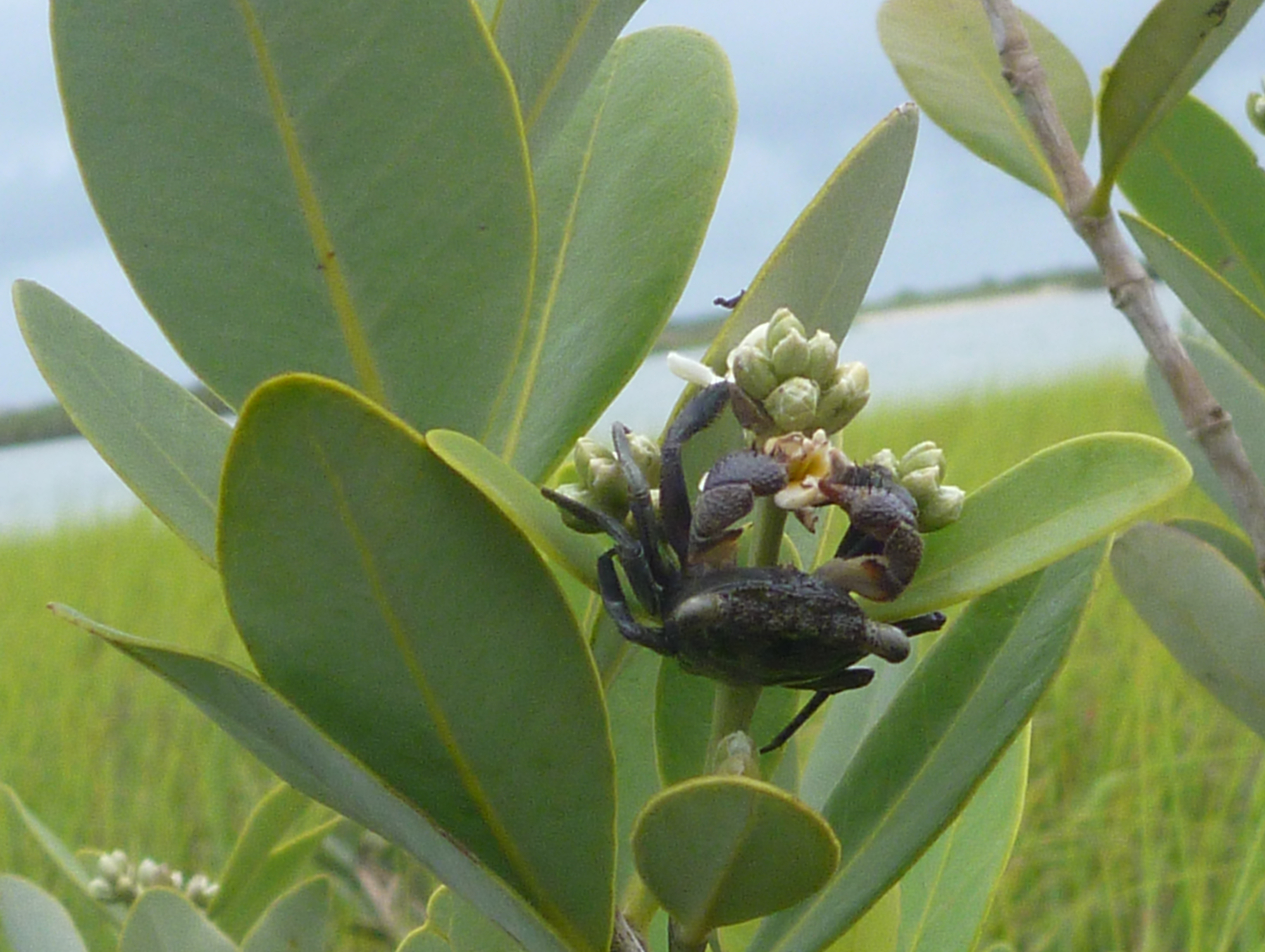
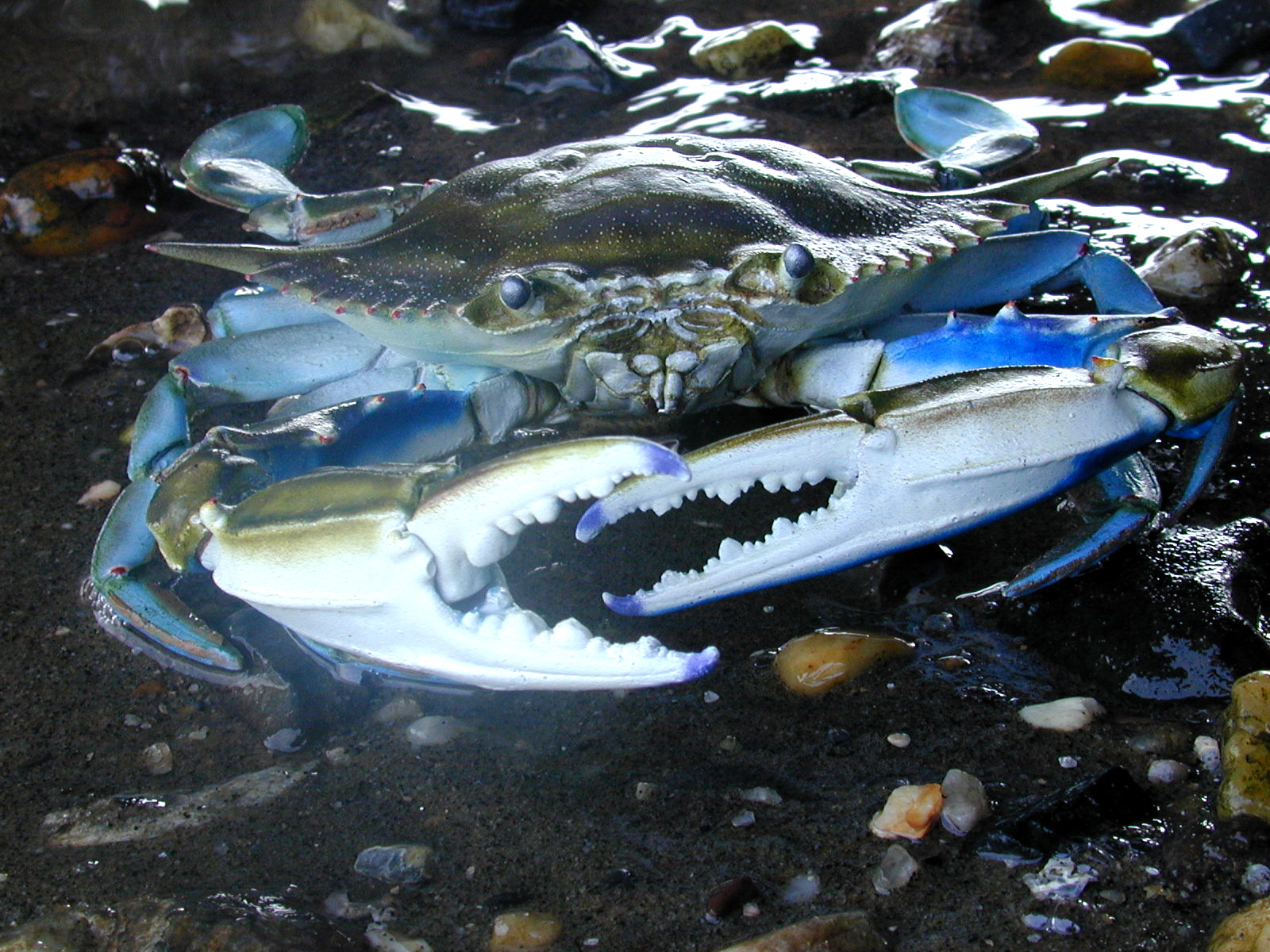
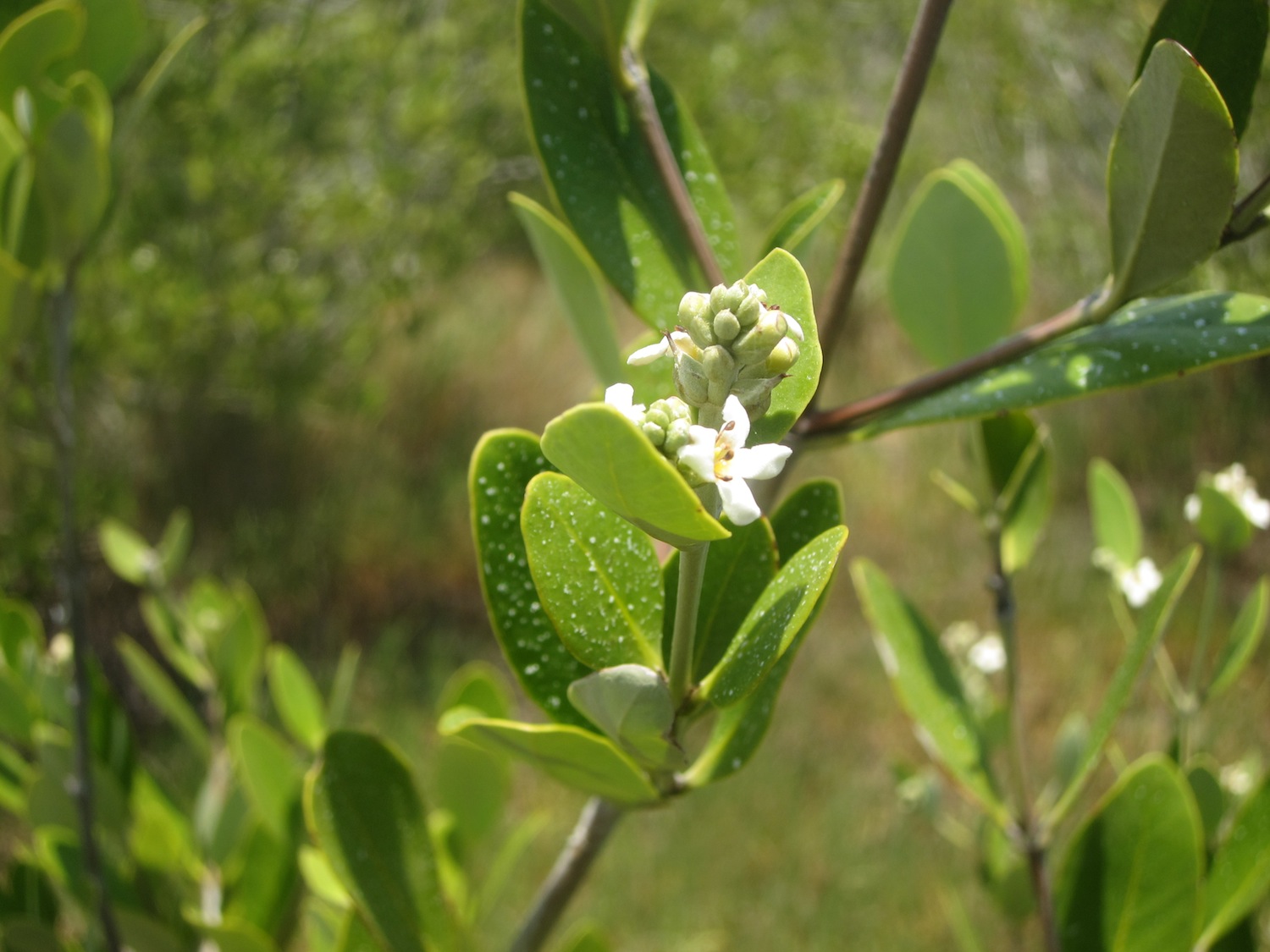
Today we spotted a mangrove tree crab (Aratus pisonii) enjoying nectar from a black mangrove flower. It was surprising enough to find Aratus all over these black mangroves, at the very northern edge of the mangrove range in Florida; it was even more astonishing to see this one’s very un-crablike behavior! Aratus are known omnivores – consumers of mangrove leaves, propagules, insects, even other Aratus – but we’ve never thought of them as floral visitors. They are normally extremely shy, but this particular Aratus was so blissed out by its sugary meal that it didn’t mind (or notice) as we snapped pictures and gawked.

Mayda Nathan, graduate student (University of Maryland)

This material is based upon work supported by the National Science Foundation under Grant Number 1065098. Any opinions, findings, and conclusions or recommendations expressed in this material are those of the author(s) and do not necessarily reflect the views of the National Science Foundation.

Share

Mangrove Tracking IV: Brush with Manatees

Tuesday, June 26th, 2012

by Dan Gruner

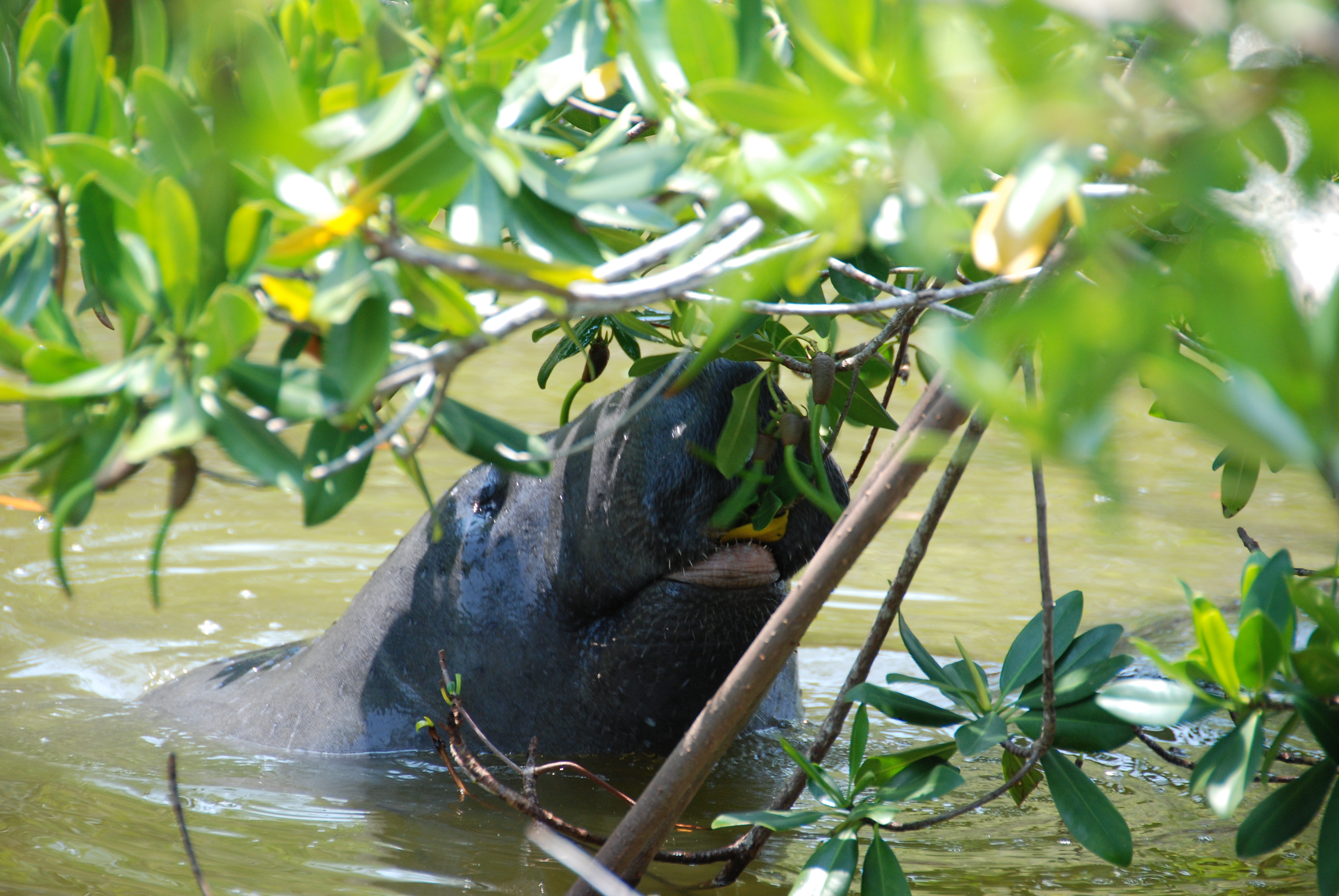
A manatee samples red mangrove leaves and its cigar-shaped propagules. Photo: John Parker

Our task this week was to begin “ground-truthing” locations on the map to evaluate them for suitability as field study sites. This was basic reconnaissance, otherwise known as exploring (or just mucking about). It’s always exciting to visit new sites. For me, recon missions recall childhood Christmas mornings, with the anticipation of finding treasure in the stacks of wrapped boxes under the tree. What treasure will we find in the marshes and mangroves?

Even with the tremendous leaps we’ve gained from satellite imaging, Google Earth and other technologies, experience on the ground (or in the water) is irreplaceable. Our team must build a network of sites along the lagoons and estuaries of the Florida coast, and ultimately the globe, to understand the causes and consequences of shifts in the range of tropical mangrove species. On this day we probed several mangrove and salt marsh estuaries along the Indian River Lagoon. We tested technologies allowing real-time exploration of satellite imagery while comparing that imagery to landscape and vegetation features we saw on the ground. This was GPS on steroids! By allowing us to optimize site selection and replicate sites all along the coast, these technologies will help us characterize the vegetation of the estuaries and how they’ve changed over time.

But that day our attention was drawn away from new technology to something much older (about 50 million years old): manatees. Click to continue »

Share

Mangrove Tracking III: The Glories of Field Work

Friday, June 22nd, 2012

Mangrove research is not glamorous work.

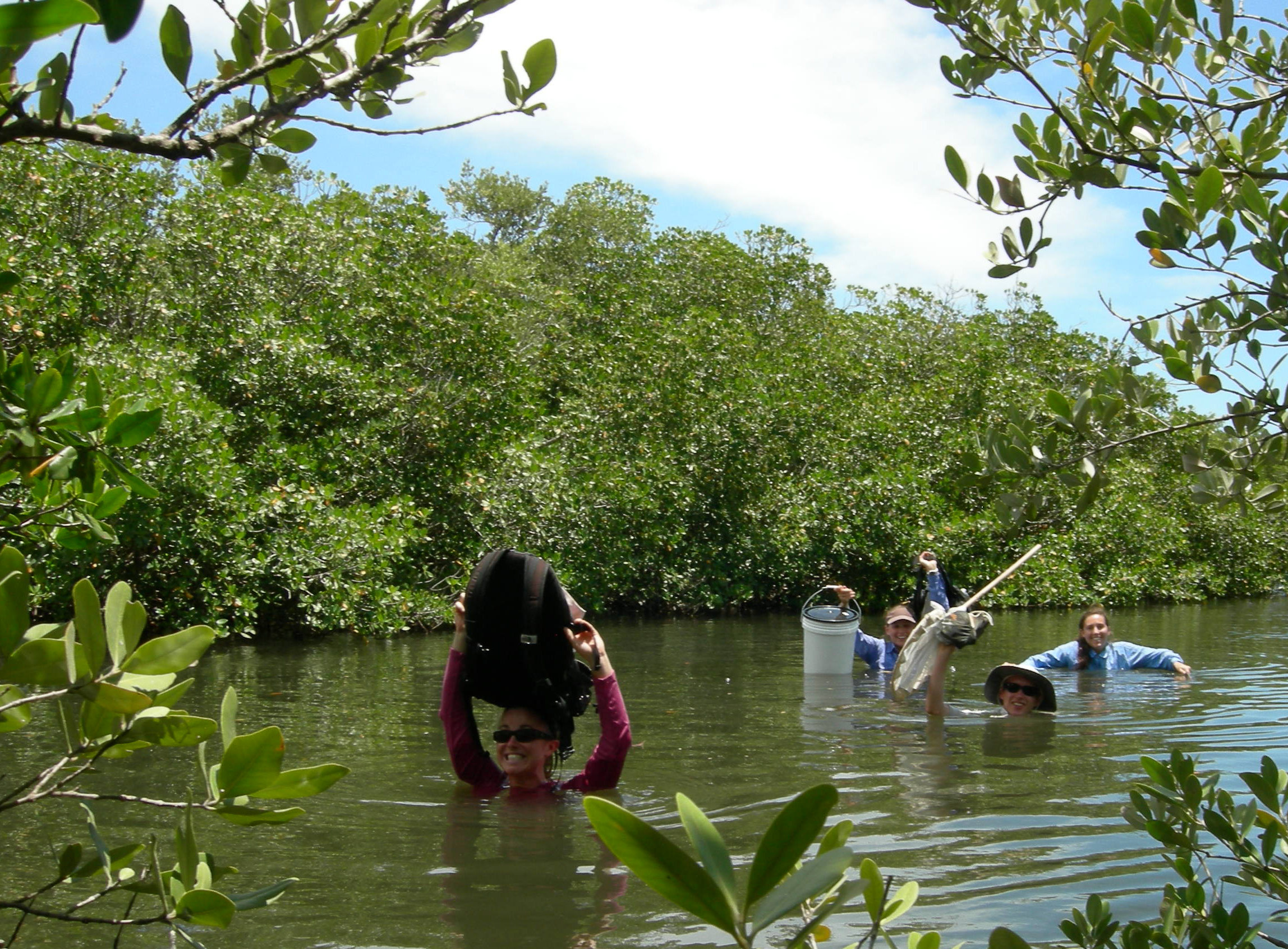
Researchers Lorae Simpson, Jake Bodart, Nancy Shipley and Mayda Nathan ford across a mangrove-surrounded pool. (Brian Thompson)


Don’t let the tropical locales and boat-to-work daily routine fool you; research in mangroves requires high tolerance for heat, biting bugs, dirt and wet. But the impenetrability of mangroves means that scientific understanding of this ecosystem has lagged somewhat behind other terrestrial environments. And this lack of information is like a magnet for ecologists.

Our team has descended on the Florida mangroves this summer to study the insects that live in and on them, the fish that find shelter among their submerged roots, the dietary choices of the crabs that live in their branches, their reproductive biology, and the interactions between the three mangrove species found here and their marsh plant neighbors. Taken together, our efforts will contribute to a better understanding of the communities that assemble as mangroves spread north into the northern Florida saltmarshes.

This means we spend some days struggling through thickets of mangroves, waist-high patches of pickleweed, and neck-deep pools of brackish water. In building up a research program, we’re building a lot of character, too.

More stories from the mangroves >>

-Mayda Nathan, graduate student (University of Maryland)

This material is based upon work supported by the National Science Foundation under Grant Number 1065098. Any opinions, findings, and conclusions or recommendations expressed in this material are those of the author(s) and do not necessarily reflect the views of the National Science Foundation.
Share

Mangrove Tracking II: Invasive Lionfish

Monday, June 18th, 2012

by Cora Johnston

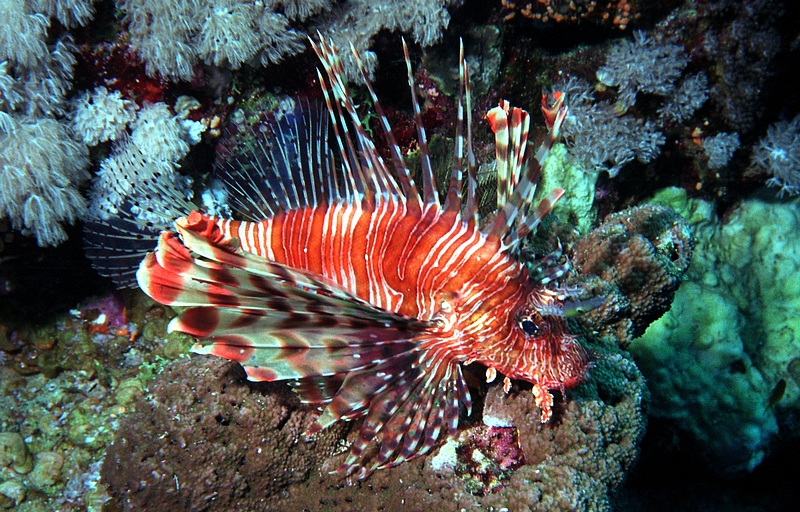
Red Lionfish. Photo: Jacek Madejski

This just in: Invasive and venomous lionfish (Pterois volitans) have just been spotted in mangroves along Florida’s Atlantic coast! We encountered two individuals of this invasive species (they’re native to the Indian and Pacific Oceans) while conducting snorkeling fish surveys along the Indian River Lagoon.

Click to continue »

Share

Chesapeake Blue Crabs: The Shaky Recovery

Wednesday, June 13th, 2012

by Tuck Hines

Smithsonian Environmental Research Center


Few creatures in Chesapeake Bay have experienced the kind of whiplash felt by the blue crab. Having gone through a near-disastrous decline that lasted almost two decades, they made a dramatic comeback starting in 2009. But before managers could proclaim it a success, the numbers fell again. And this time, the reasons aren’t so clear.

Click to continue »

Share

Aging Forests Better at Trapping Carbon

Friday, June 8th, 2012

by Kristen Minogue

Mysterious things happen to forests as they grow old. The passing of time alters the trees, the animals, the microbes, even how much they breathe.

Hemlock tree in Salt Springs State Park, Penn. Hemlocks are one of the last trees to populate a forest, and those forests seem to be better at storing carbon. (Nicholas_T)


Just like people, forests age. Dense rows of birch and cherry trees give way to tulip poplars. Eventually the tulip poplars vanish and more spacious oaks and hemlocks rise up in their place. But arguably the most important changes occur underground. The planet’s soils store more than three times as much carbon as the atmosphere. And—while researchers still aren’t sure exactly why—older forests seem to be better at holding onto it.

Click to continue »

Share

Mangrove Tracking I: A Forest on the Move

Wednesday, June 6th, 2012

by Dan Gruner

Black mangrove. Mangroves like this tolerate hot, salty environments partly by exuding excess salt onto their leaves. (John Parker)

Will tropical mangroves take over the world?

I don’t think anyone believes that will happen. However, it does seem that mangroves are moving up in latitude, encroaching into more temperate salt marsh systems dominated by cord grass and other herbaceous species. Although mangrove systems are in steep decline worldwide because of coastal development, aquaculture and other human activities, climate change and other factors may be increasing their total geographic range.

Why would this happen? What would this mean for coastal ecosystems in the USA and globally? And what would it mean for the billions of people who live within 20 miles of a coastal zone, or the billions more who rely on some form of oceanic protein?

Click to continue »

Share

Dirty Little Secrets of Bloodworms

Wednesday, May 23rd, 2012

by Monaca Noble

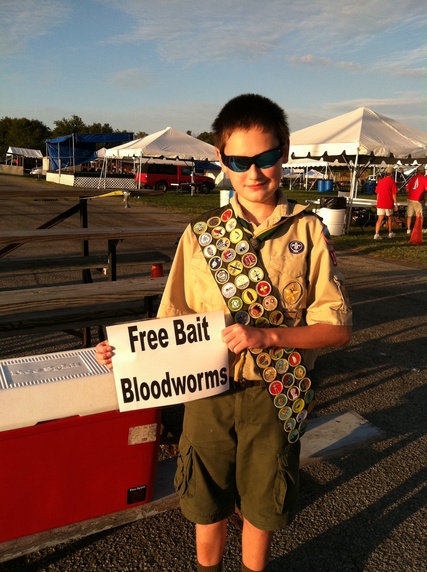
Arthur Carlton-Jones, the Boy Scout who encouraged fishermen to throw unused bait in the trash. (Photo: Michael Carlton-Jones)


“Free live bait!”

Those were the words that echoed out during August and early September of last year, when the Marine Invasions Lab at the Smithsonian Environmental Research Center (SERC) gave away hundreds of bags of bloodworms to Maryland fishermen. We’re doing it again this spring. Why would an environmental research center give away hundreds of dollars worth of worms?

Click to continue »

Share

The Underwater War on Climate Change

Monday, May 7th, 2012

by Kristen Minogue

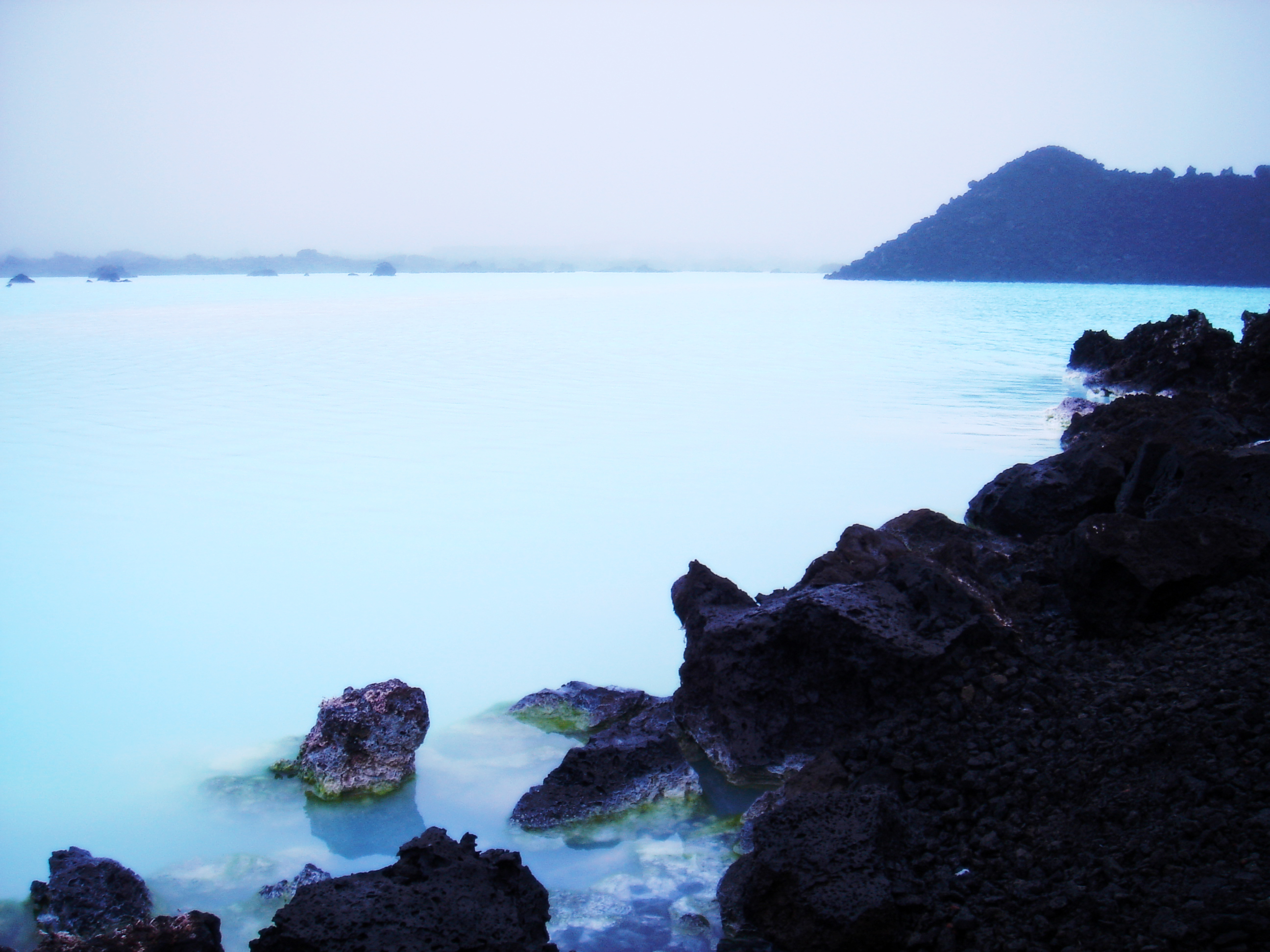
The milky blue waters of this Iceland lagoon are teeming with cyanobacteria, also known as blue-green algae. (Marie-II)

Beneath the surface of the ocean, an invisible army of workers is fighting to keep climate change in check. Many have been silently absorbing or burying carbon for billions of years, and humanity has just begun to take notice of them. These unassuming laborers are bacteria.

Click to continue »

Share