By Sarah Hansen
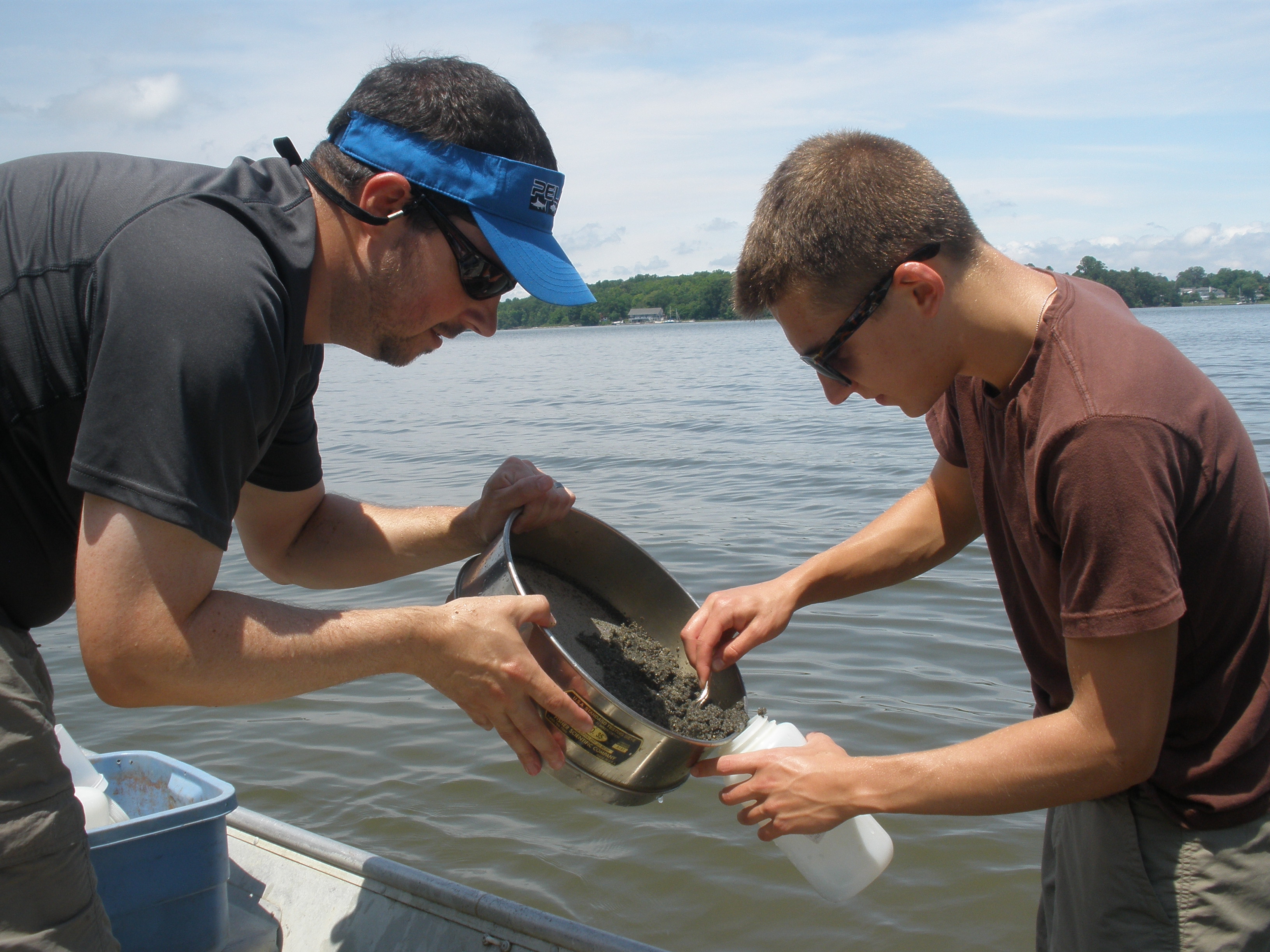
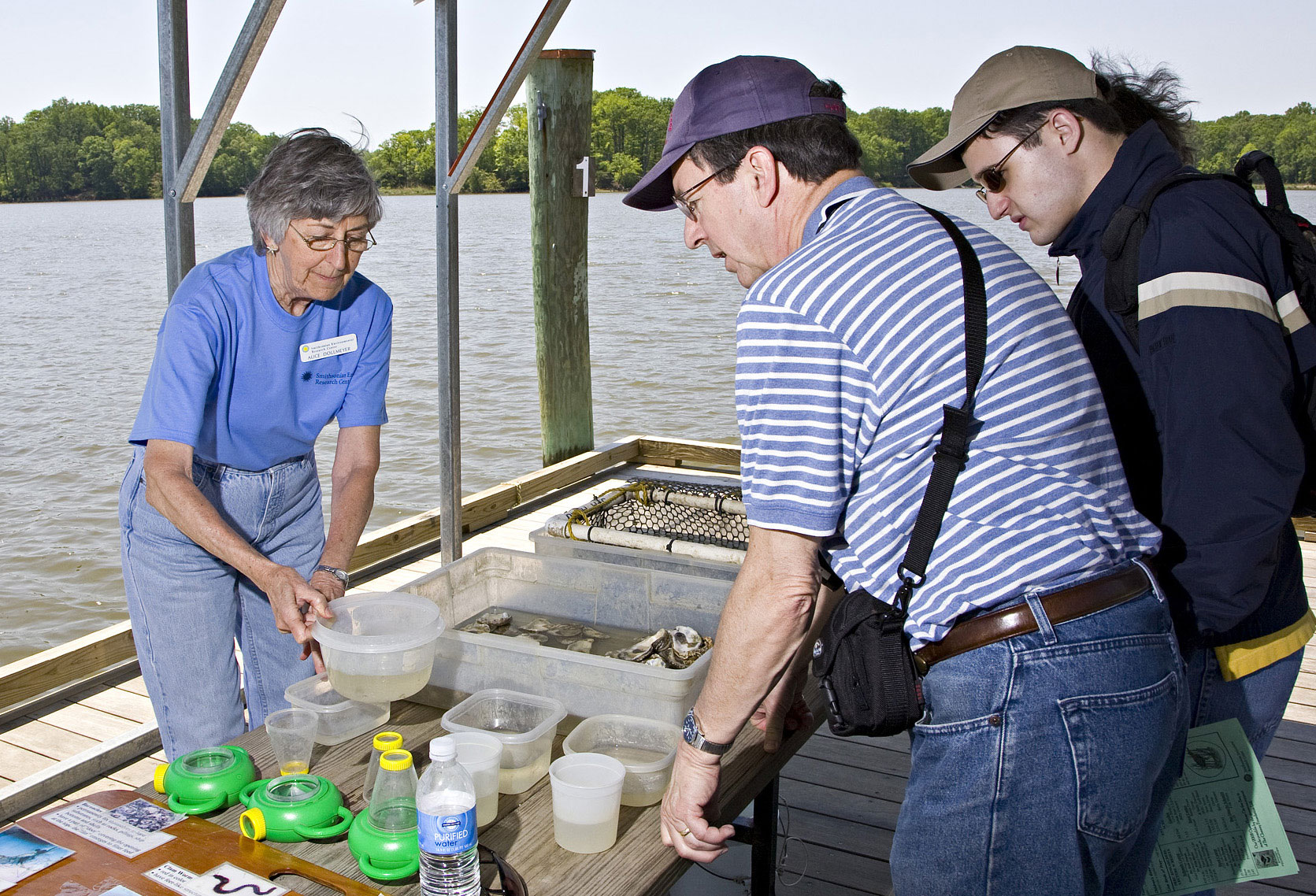
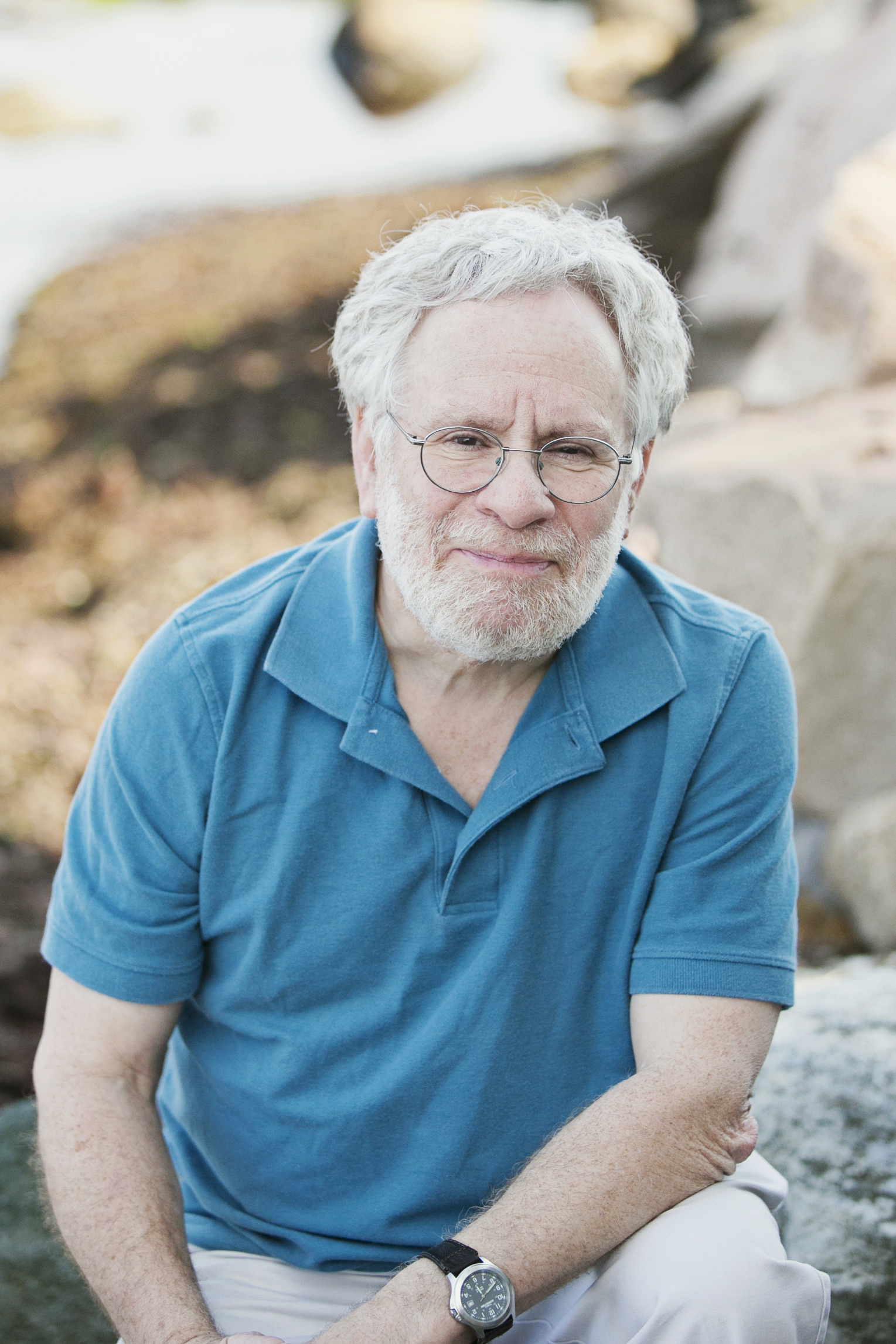
Dean Janiak (left) and Ben Rubinoff collect a sample from the Rhode River.
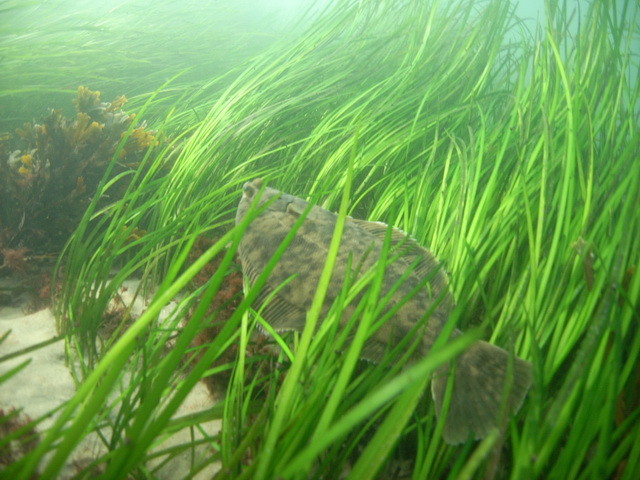
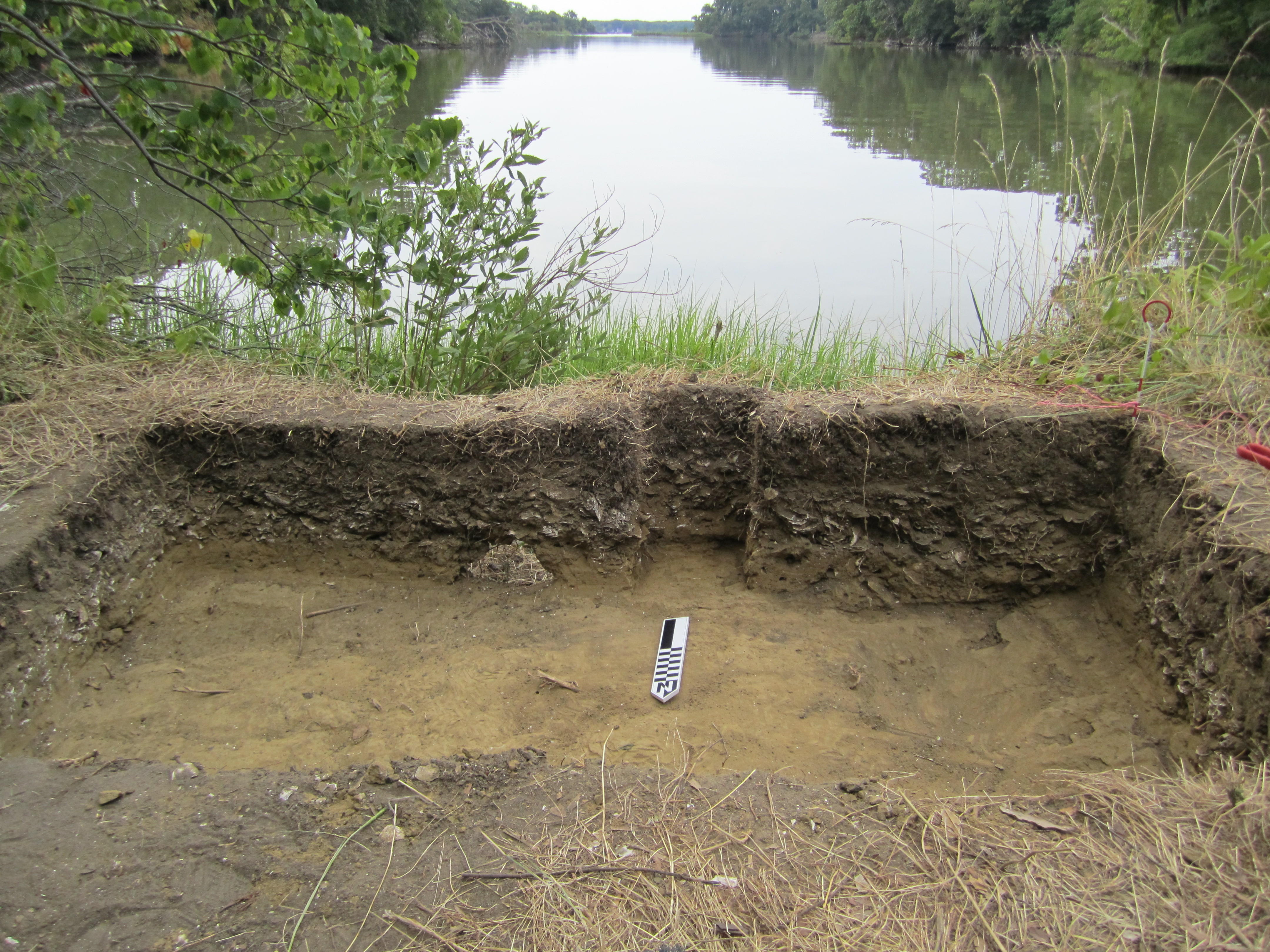
Most of us think of the Chesapeake Bay as a single entity – one big body of water. But Smithsonian Environmental Research Center (SERC) ecologist Dean Janiak and his intern, Ben Rubinoff, have a more nuanced perspective. They’ve collected more than 150 samples from eight different habitats within the Bay and along its shoreline that contain mud, sand and lots of tiny animals.
Their ultimate goal: Discover how differences in habitats in the Rhode River (a sub-estuary of the Chesapeake Bay) can change biodiversity among creatures at the bottom of the river, and how those patterns change over time. If it turns out that some habitats host more diverse animal communities than others, land managers can focus conservation efforts on those areas. Click to continue »