by Kristen Minogue
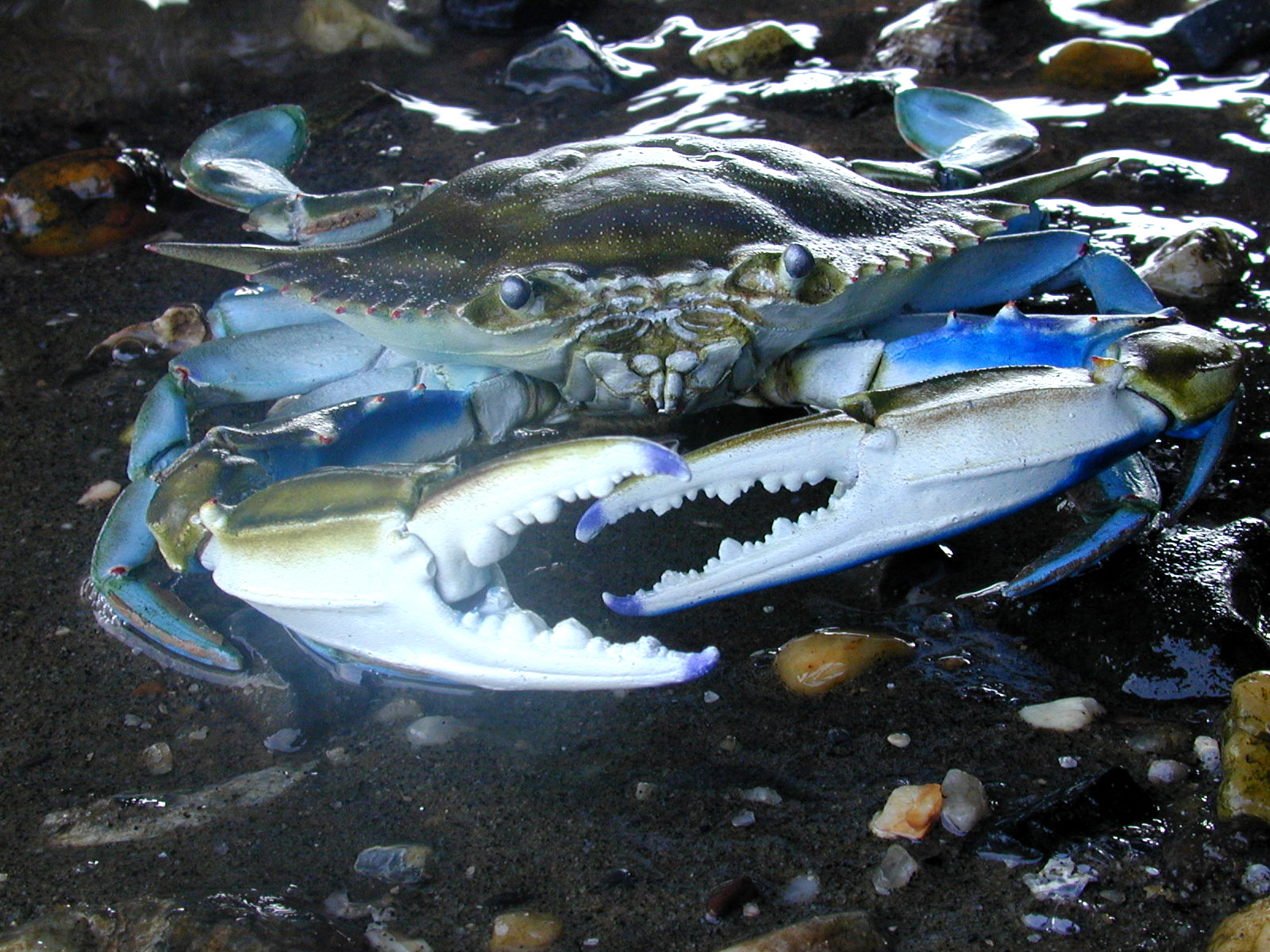
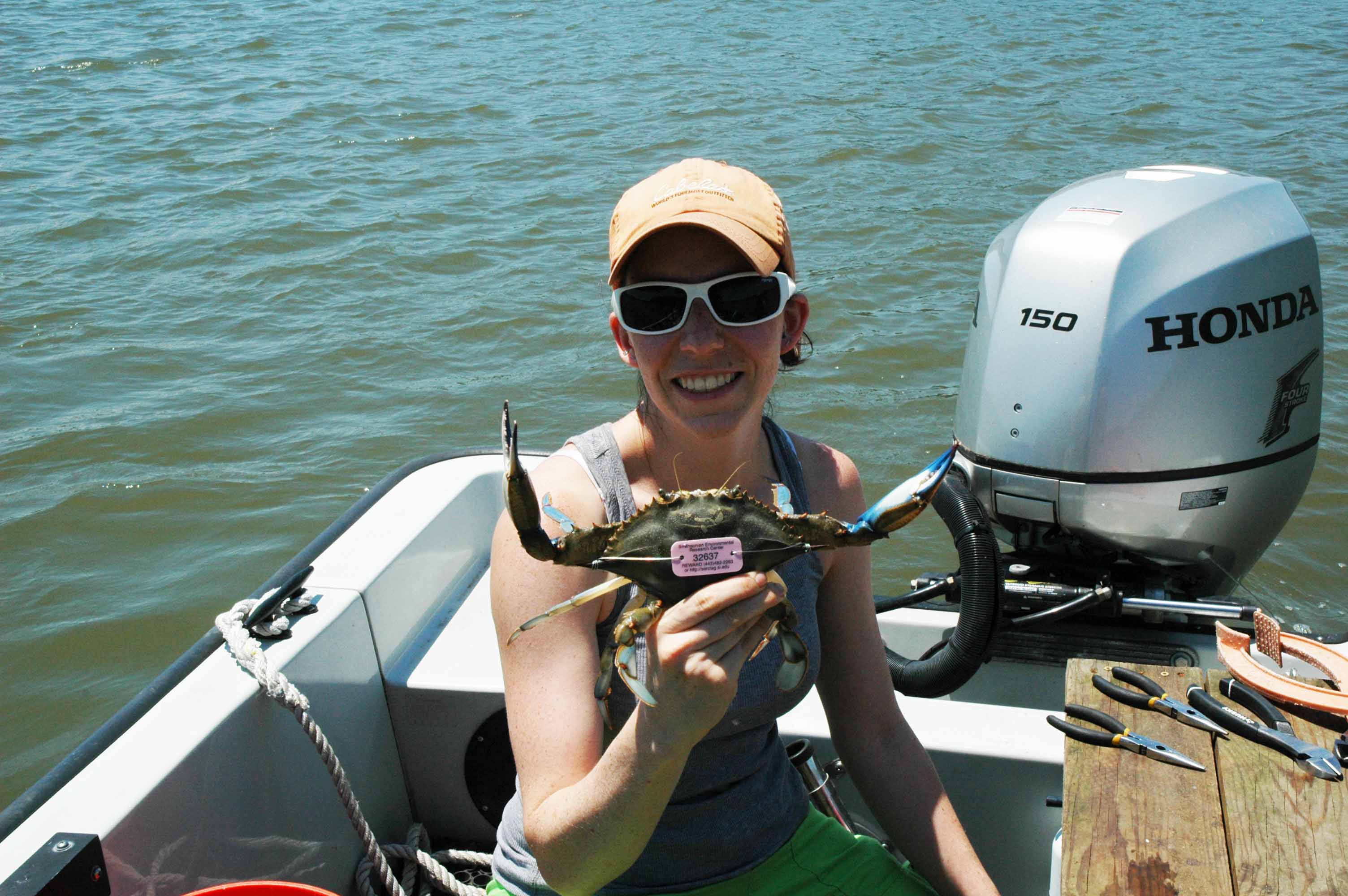
Male blue crabs can mate with multiple females. But with fewer men to go around, their female partners are left with less sperm to reproduce. (SERC)
The practice of selectively fishing male blue crabs in the Chesapeake—intended to give females a chance to reproduce—may have a hidden cost. A Bay without enough males could reduce the number of offspring females produce, ecologists at the Smithsonian Environmental Research Center found in a paper published in the July issue of Marine Ecology Progress Series.
Maryland and Virginia began reducing the harvest of female crabs by commercial and recreational watermen in 2008, the year officials declared the blue crab fishery a federal disaster. Since then, the crabs have shown signs of a shaky recovery. But a lasting comeback hinges on females producing enough offspring to sustain the population.