In the wild, diversity determines ecosystem production as much as climate and nutrients
by Kristen Minogue
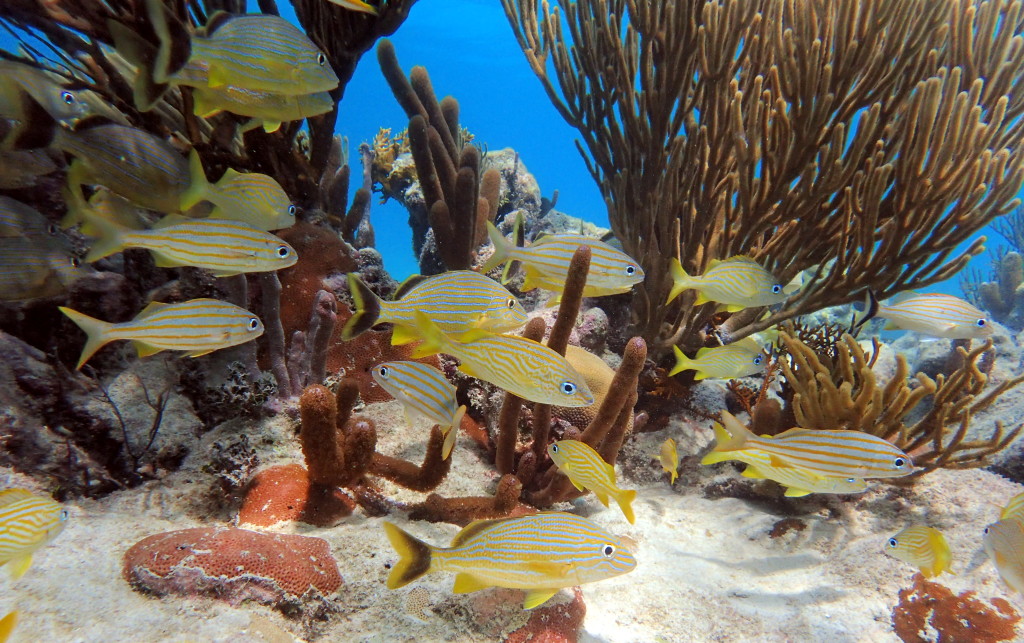
A school of grunts explores a shallow reef at Carrie Bow Cay, Belize, one of Smithsonian MarineGEO’s long-term research sites. Biodiversity not only can make sites beautiful, but also can help boost their biomass and make them more productive. (Credit: Ross Whippo/SERC).
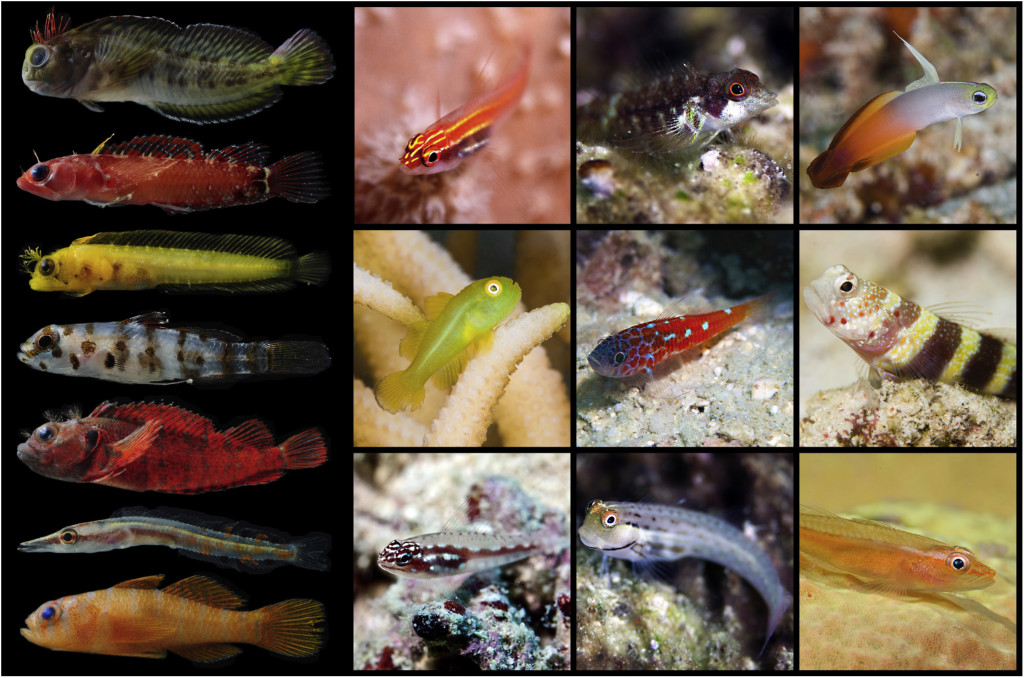
Biodiversity is proving to be one of humanity’s best defenses against extreme weather and rising temperatures. In past experiments, diversity has fostered healthier, more productive ecosystems, like shoreline vegetation that guards against hurricanes. However, many experts doubted whether these experiments would hold up in the real world. A Smithsonian and University of Michigan study published in this week’s issue of Nature offers a decisive answer: Biodiversity’s power in the wild does not match that predicted by experiments—it surpasses it, in some cases topping even the effects of climate.
“Biodiversity is not just a pretty face,” said Emmett Duffy, lead author and marine ecologist at the Smithsonian Environmental Research Center in Edgewater, Md. “Protecting it is important for keeping the ecosystems working for us, providing food, absorbing waste and protecting shorelines, which is important right now.”