by Kristen Minogue
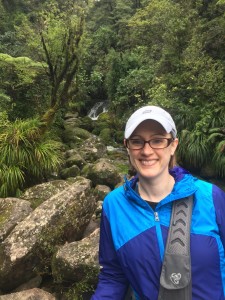
Katrina Lohan in New Zealand’s Abel Tasman National Park. (Credit: Chris Lohan)
Weird truth: There are more parasites on Earth than non-parasites. Katrina Lohan would know, having spent over a decade studying them. After five years with the Smithsonian Environmental Research Center’s Marine Invasions Lab, Lohan is now in charge of launching the center’s new Marine Disease Ecology Lab. In this Q&A, meet some of the weirdest parasites she’s encountered and learn how DNA is helping her unlock their secrets.
This is the second of three profiles about the young scientists heading SERC’s newest labs. Edited for brevity and clarity.
What do you find most fascinating about parasites?
I really like it when stories are complicated. And adding parasites certainly complicates any story. But I’m also intrigued by the David and Goliath aspect of it, that parasites are super small, [often] overlooked, and most people don’t even think about them in terms of what role they play in ecosystems or what they could possibly be doing. Most people would sort of shrug off—oh, they’re probably not really that important. And yet, they’re extremely important. The more we learn about parasites, the more we realize that they control their hosts. They can actually completely change the behavior of their hosts. Click to continue »