Citizen scientists brave dense swamps to find truth behind Phrag
By Sarah Hansen

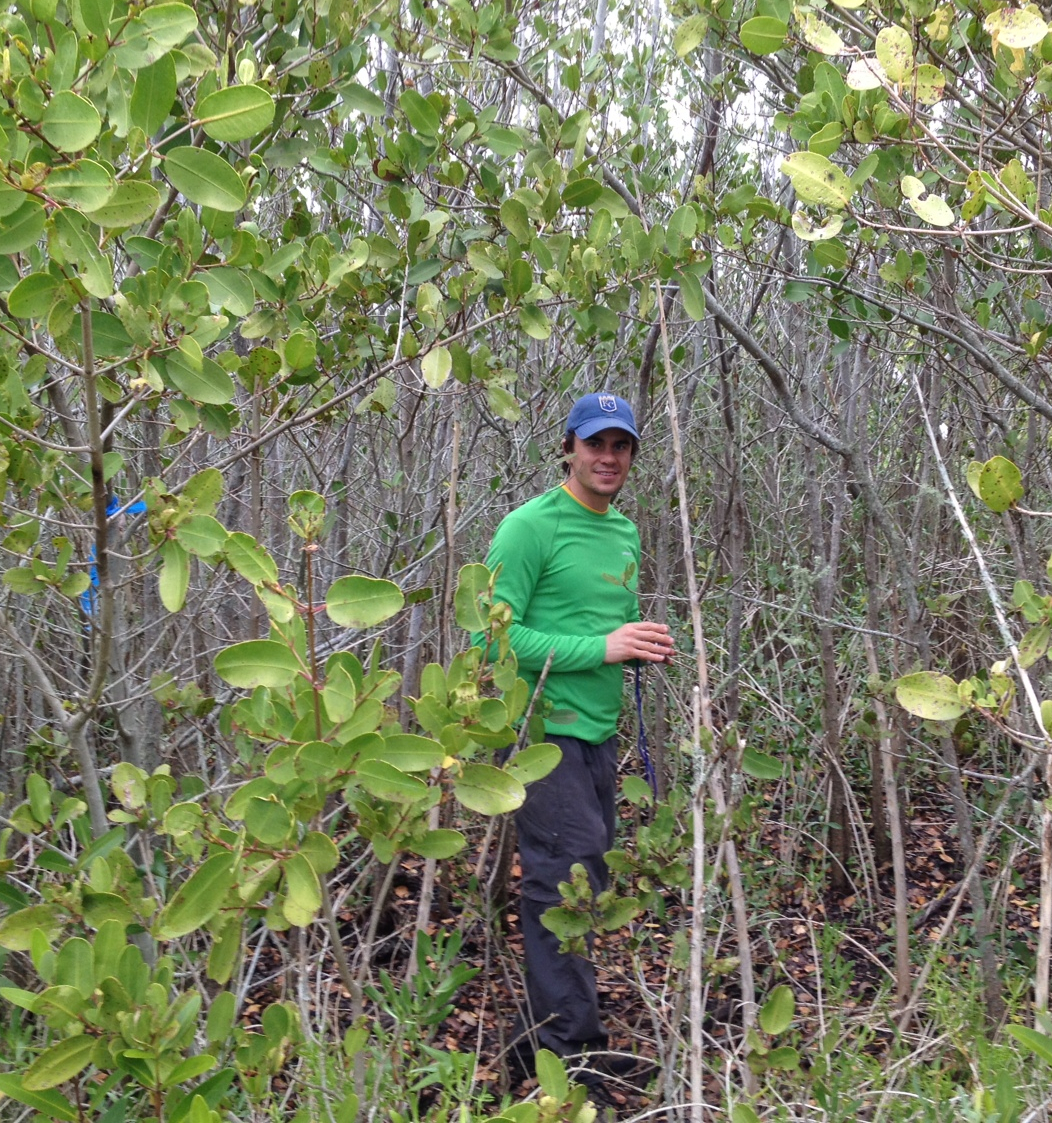
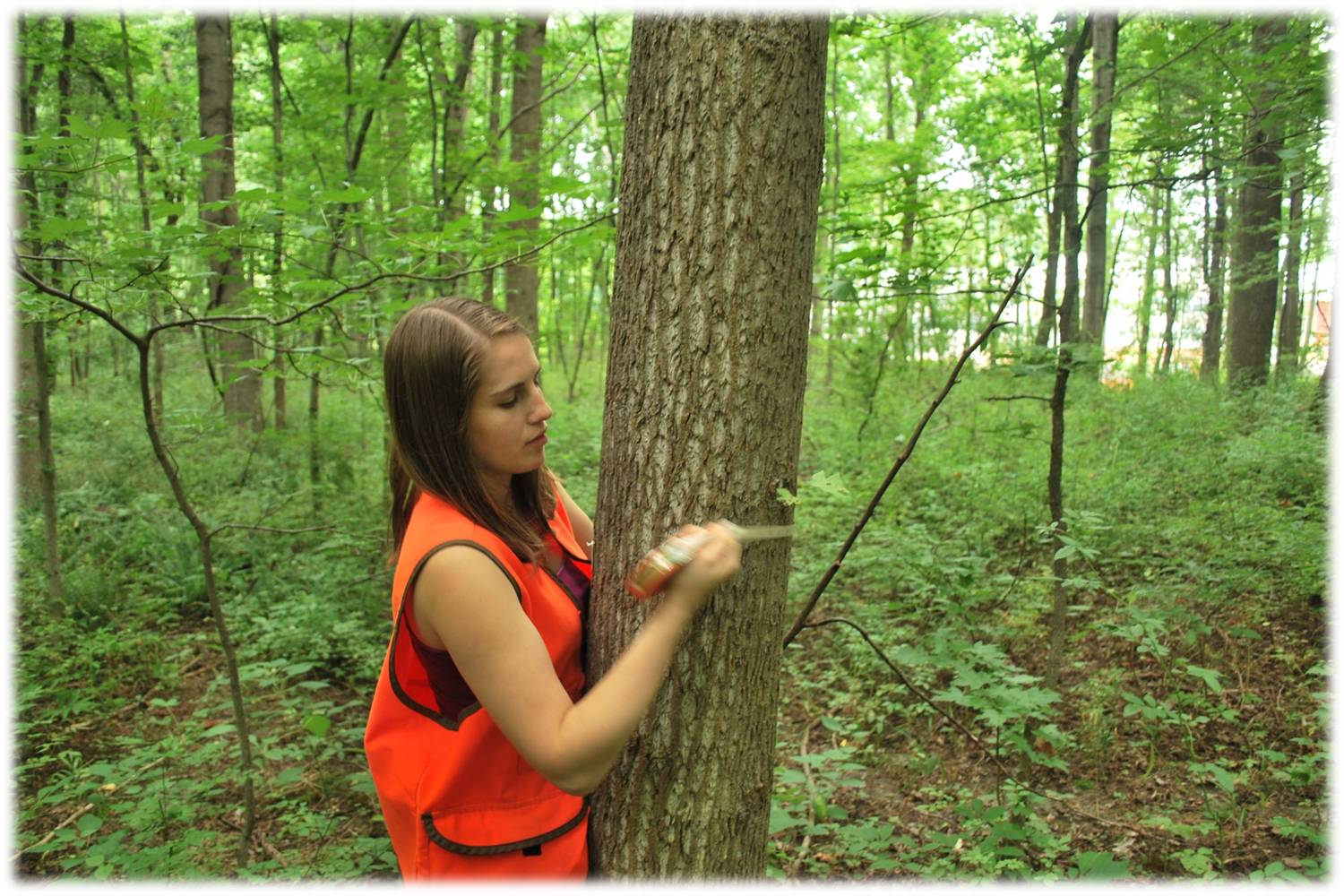
Jack Hays bands a tree in the marsh.
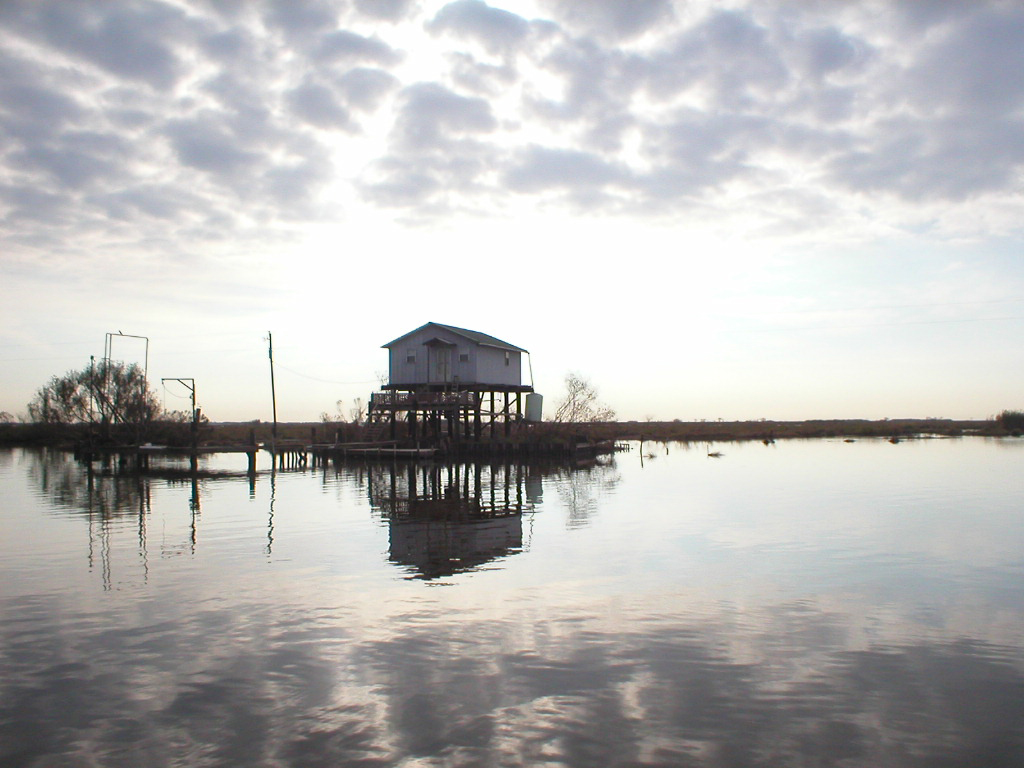
Sea-level rise triggered by climate change affects coastal ecosystems first. Marshes and wetlands along the shoreline creep inland, infringing on forest habitats. Scientists have strong evidence that too much water will gradually drown the trees. But an invasive reedy plant, known as “Phrag” from its scientific name, Phragmites australis, might be the forests’ unlikely protector, delaying drowning by about a decade.
Invasive Phrag (there is a native subspecies, as well) first came to the U.S. from Europe over 200 years ago. The native variety coexists peacefully with other plants, but the invader takes over a habitat, choking off other flora. Only recently, however, has its population growth exploded. Scientists at the Smithsonian Environmental Research Center are trying to find out whether large Phrag populations in wetlands help or hurt tree growth. It might seem counterintuitive, but scientists hypothesize that the Phrag is actually helping trees survive as sea level rises. By removing some of the water, Phrag may prevent trees from drowning. Click to continue »