Posted by Kristen Goodhue on August 18th, 2015
by Heather Soulen

Jack White performing on Orange Stage in Denmark
(Bill Ebbessen)
Research shows that music affects our brains and our bodies. It can make us laugh, cry, give us chills, empathize and remember events or single seemingly fleeting moments that we’ve long forgotten. When it hits the right cords, music can increase heart rate, dilate pupils, increase body temperature and release the neurotransmitter dopamine, a chemical which plays an important role in our brains, particularly the reward centers of the brain. The same has been said about orchids, the hunt for orchids and in Victorian era, the eroticism surrounding orchids.
Since the 1960s, there have been several musical groups, albums and songs with orchid-centric names or themes. Journey with us as we explore how orchids have conquered music pop-culture.
Click to continue »
Posted in Classes and Events, Education, Publications | Comments Off on Bubblegum Pop to Punk and Heavy Metal: Orchids’ Mark on Music
Tags: Black Orchid, Black Sabbath, Blue Orchid, Jack White, Malia, music, Nina Simone, orchids, Summer Showdown, The White Stripes, Wayne McGregor, Wild Orchid
Posted by Kristen Goodhue on August 17th, 2015
by Kristen Minogue
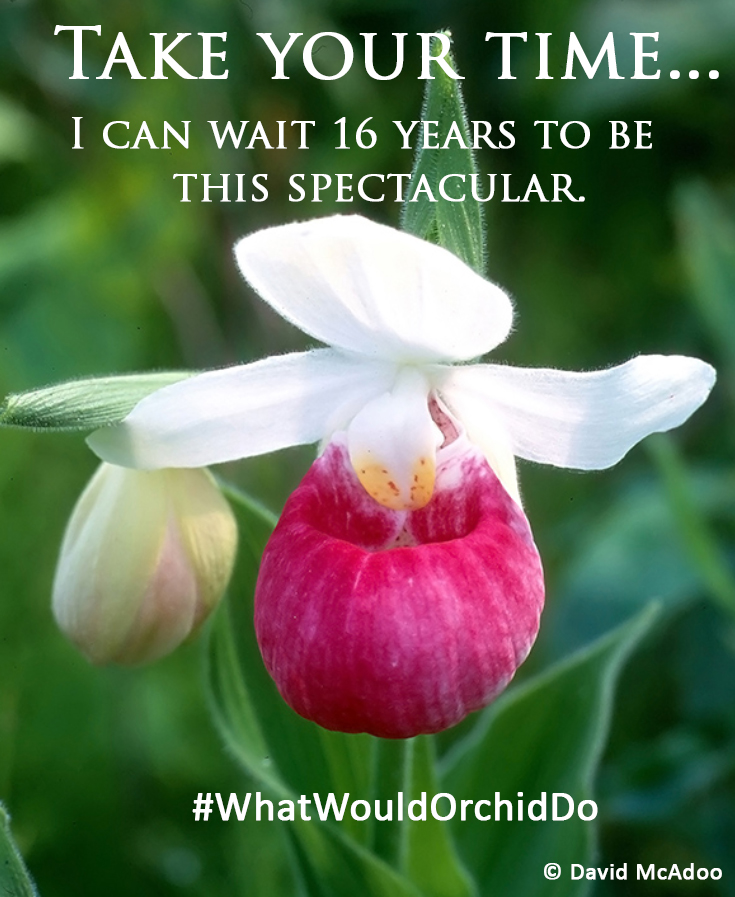
 There’s a reason orchids are called the smartest plants on Earth. Several, in fact, and not all of them good. Some orchids can be crafty, devious pretenders, using their fragrance to trick insects into pollinating them but giving no nectar in return (we’re looking at you, Dragon’s Mouth and Fairy’s Slipper). But most lessons from the orchid world are more encouraging. Many remain beautiful in winter and thrive after fire. In the final days of the semifinals of the Smithsonian Showdown, we’ve adopted a new motto: What Would Orchid Do? After all, they have been around for 80 million years. Any species that survived from the age of the dinosaurs has to have done something well.
Click to continue »
Posted in Publications | 1 Response »
Posted by Kristen Goodhue on August 14th, 2015

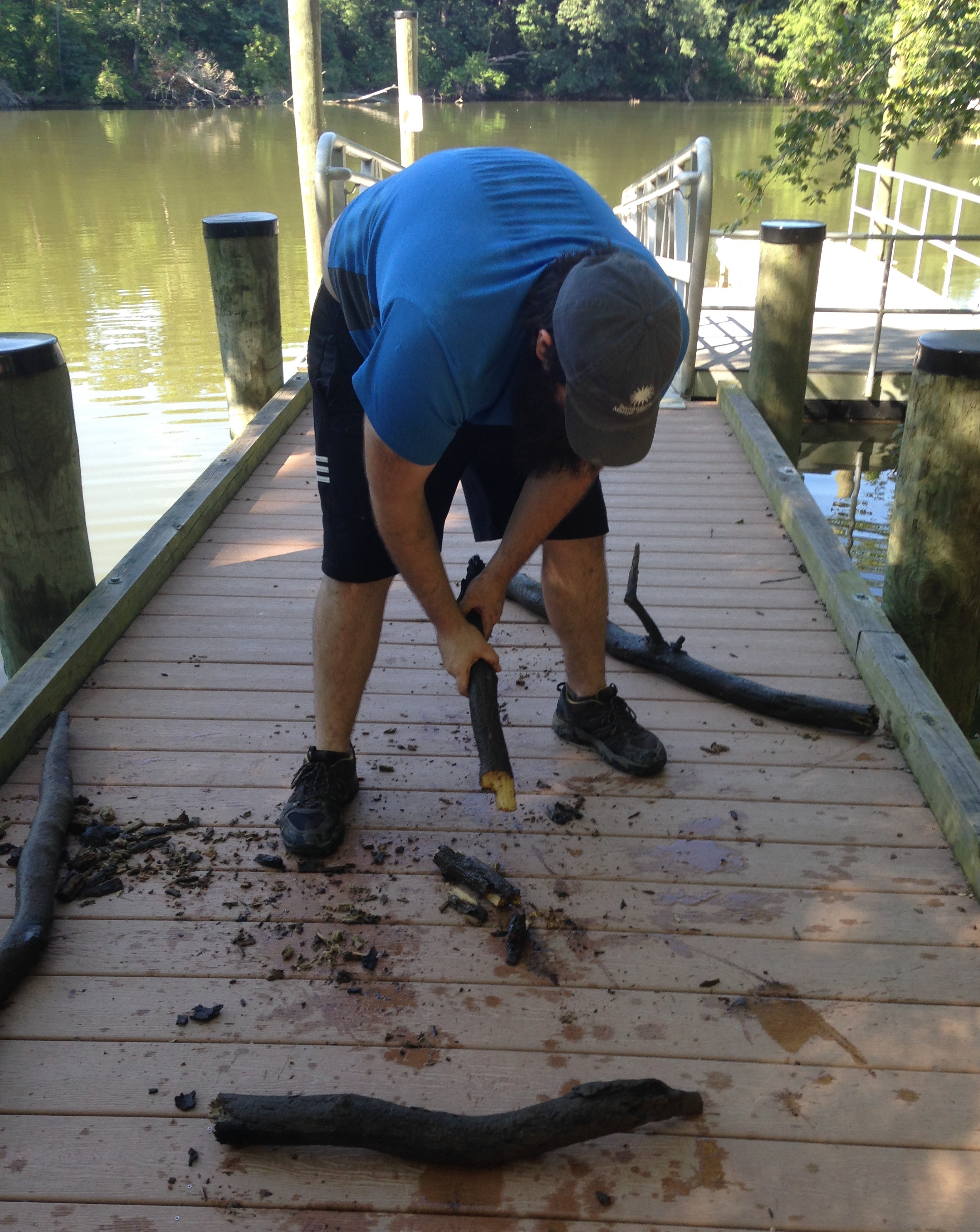
Darin Rummel smashes a stick against the dock. (SERC)
by Chris Patrick
Darin Rummel, intern in the marine invasions lab at the Smithsonian Environmental Research Center (SERC), raises a piece of wood twice the length of his arm and slams it onto a dock in the Patuxent River at Greenwell State Park in Hollywood, Md.
The soggy stick crumbles and a white-fingered mud crab scurries from the wreckage. Rummel adds the crab to a modest collection in a Tupperware container and raises the stick above his head again. Connor Hinton, another marine invasions lab intern, wades into a cove of muddy water in search of more crab-concealing wood. Click to continue »
Posted in Ecology, From the Field, Interns, Invasive Species | 1 Response »
Posted by Kristen Goodhue on August 13th, 2015
by Heather Soulen

Photo by Kristen Minogue
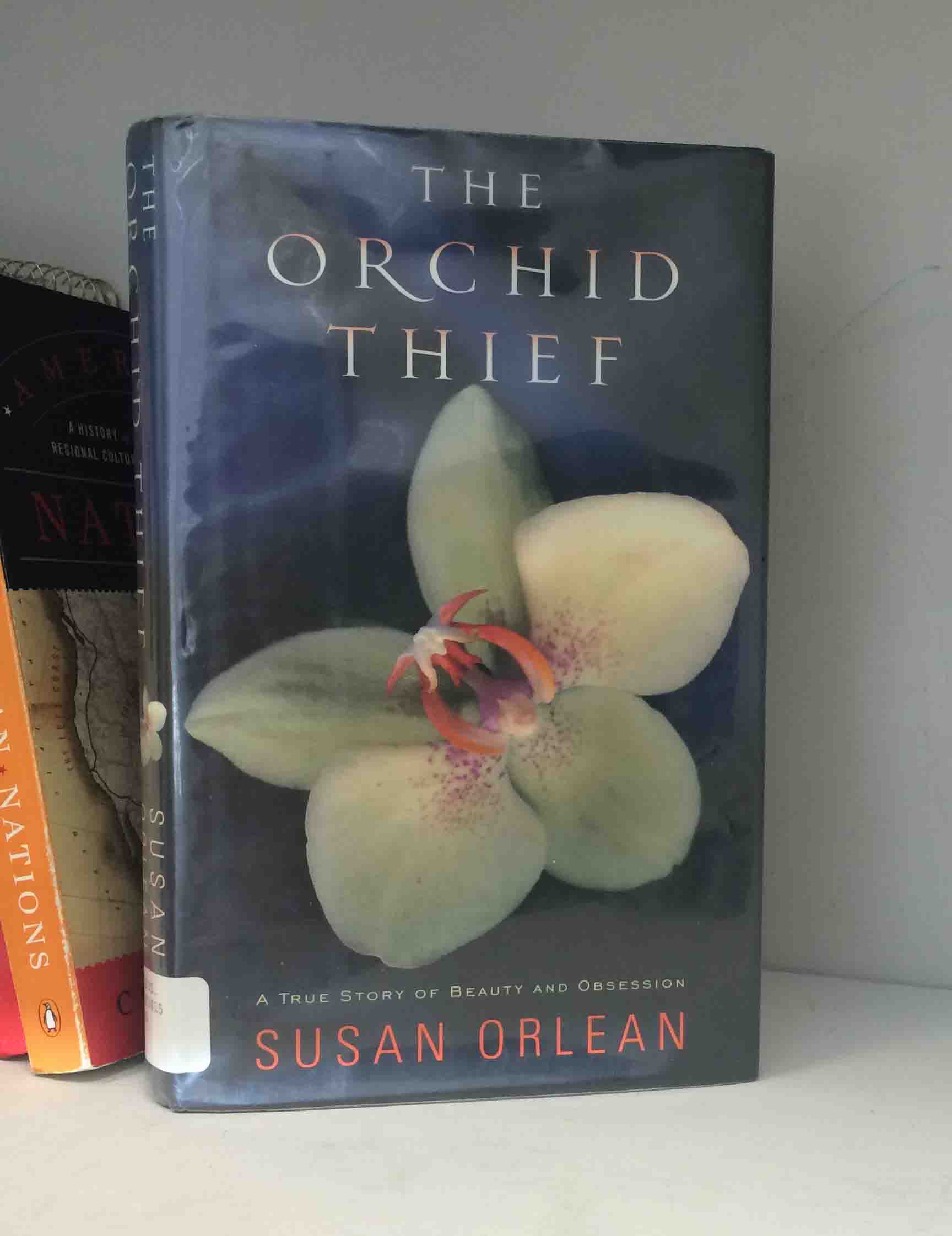
“Orchids aren’t just pretty. And a lot of them aren’t even pretty at all. But they are sexy, and that’s really one of the things that makes them unusual among flowers. It was believed that orchids sprang up wherever animals had been mating. And in Victorian England, women weren’t allowed to have orchids because the form of them was thought to be too erotic and too sexual, and it would be too much for a woman to bear, having a flower that sexual in her possession.”
-Susan Orlean, transcripts from NOVA’s “Orchid Hunter”
There’s no denying, orchids are pretty darn sexy plants. And it because of their sex appeal, they’ve sashayed their way into just about every aspect of pop-culture. They’ve glammed their way into movies, TV, music, fashion and literature, and we didn’t even realize the spell they cast until it was too late. Bewitched, bothered and bewildered, we didn’t even realize how inescapable they are in our world. Here we explore a few examples of how orchids deftly made their way into pop-culture literature.
Click to continue »
Posted in Classes and Events, Education, Publications | 1 Response »
Tags: Adaptation, Black Orchid, books, comics, literature, Neil Gaiman, Orchid, orchids, Rage Against the Machine, Summer Showdown, Susan Orlean, The Orchid Thief, Tom Morello
Posted by Kristen Goodhue on August 10th, 2015
by Heather Soulen
Orchids are cunning little creatures. They create elaborate ruses to puzzle insects, fungi and even (or especially) biologists. Here are a few poems we composed to honor the smartest plants on Earth.

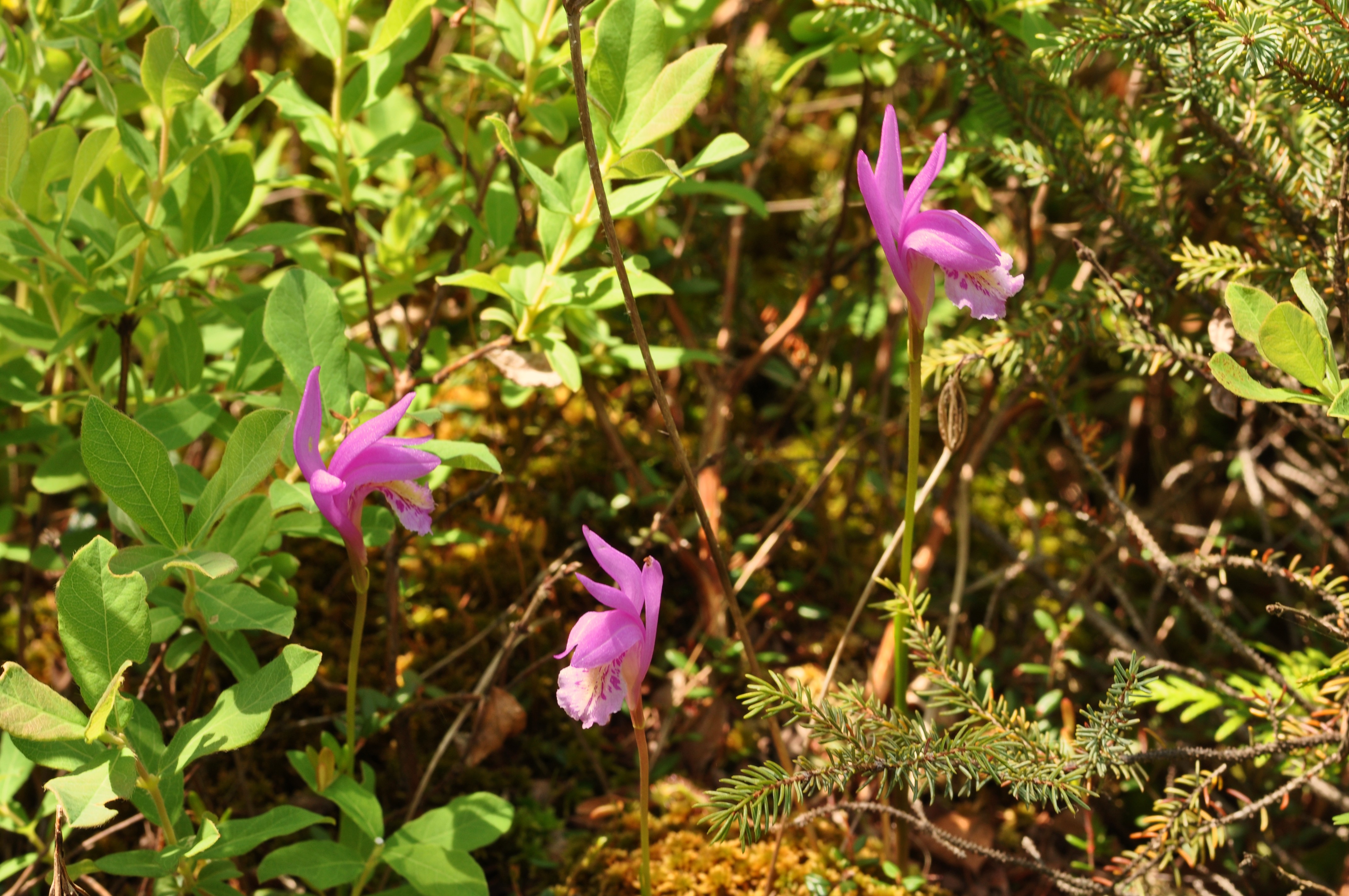
Dragon’s Mouth Orchids , Arethusa bulbosa (Gary Van Velsir)
Twinkle Orchid
Twinkle, twinkle, little orchid
Let’s get mycorrhiza sorted
Roots with fungus help supply
Sugar and nutrients to make you spry
Twinkle, twinkle, little orchid
Let’s get mycorrhiza sorted
Backstory:
A mycorrhiza is a kind of fungus that grows on orchid roots. In this relationship, the orchid receives water, sugar and nutrients from fungus, and the fungus receives nearly nothing in return. Check out this orchid life cycle poster for more details: Click to continue »
Posted in Classes and Events, Ecology, Education | Comments Off on Orchids: Lullabies and Limericks
Tags: deception, fungus, limericks, lullaby, mycorrhiza, orchids, pollinators, Summer Showdown, symbiosis, vegetative dormancy
Posted by Kristen Goodhue on August 7th, 2015
by Kristen Minogue

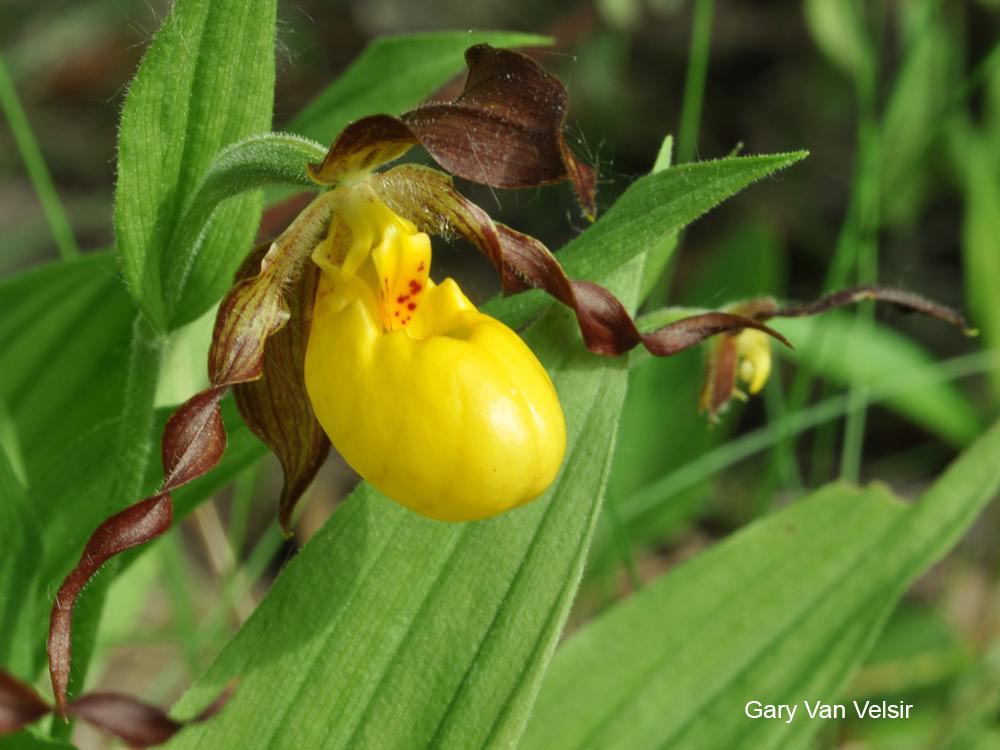
An old Ojibwe legend tells of a village visited by plague. It was the dead of winter and many died, including the village healer. To save the community, a young girl made a dangerous journey through the snow to find medicine for the sick. She succeeded, but on the way lost her moccasins, leaving a trail of bloody footprints in the snow. When spring arrived, the bloody footprints put forth moccasin flowers—better known today by their Western name, the lady’s slippers.
Origin stories of the lady’s slipper orchid exist among many Native American tribes, and the details change. (Were the flowers yellow or pink? Did she make the journey in place of her sick husband? Did the flowers come from her footprints, or the bandages on her feet?) But at the root lies a more basic question: What was so important about this orchid?
Click to continue »
Posted in Publications | Comments Off on Medicine, Myth and the Lady’s Slipper Orchid
Posted by Kristen Goodhue on August 7th, 2015

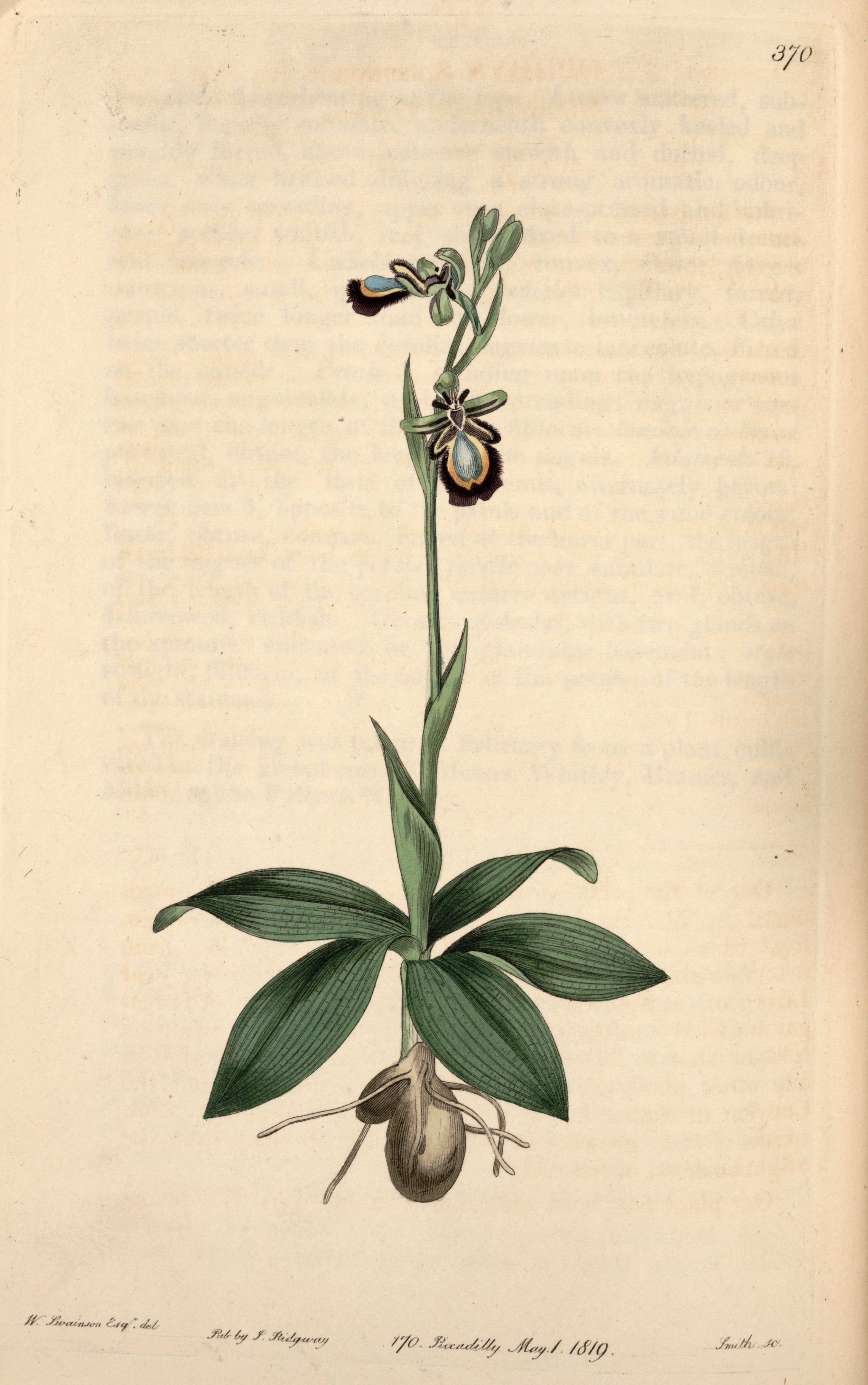
William Swainson probably painted this orchid sometime between 1789 and 1855.
by Chris Patrick
Legend says it all started with a single orchid bloom. This bloom, an accident, sparked a phenomenon so pervasive in Victorian England that its name, orchid delirium, was shortened to orchidelirium, a d excised to indicate the oneness of orchids and madness.
The story begins like this: In 1818, a man named William Swainson sent plants from Brazil to London, using what he believed to be parasitic plants as packing material. When the package arrived, one of the plants was in bloom. Its vivid hue and strange shape were unlike anything most European eyes had ever beheld in the way of flowers. Europe fell in love. And so began orchidelirium, the European obsession with orchids. Click to continue »
Posted in Publications | Comments Off on Orchidelirium: The Flora That Make Us Crazy
Posted by Kristen Goodhue on August 6th, 2015
by Heather Soulen
Have you ever been at a stop light and seen a butterfly sampling nectar from flowers in small container garden? Maybe you’ve seen bees darting flower to flower as you tend your garden. Or maybe, as you walk the city streets, you see other insects whizzing about the flowering weeds that struggle to survive in the cracks of our concrete jungle. Based on these experiences, you might think that flowers only get pollinated during the day. Here’s a secret, and it’s a dark, gothic secret: Pollination also occurs under the veil of night. Some plants, like orchids and their pollinators, live a life less ordinary.
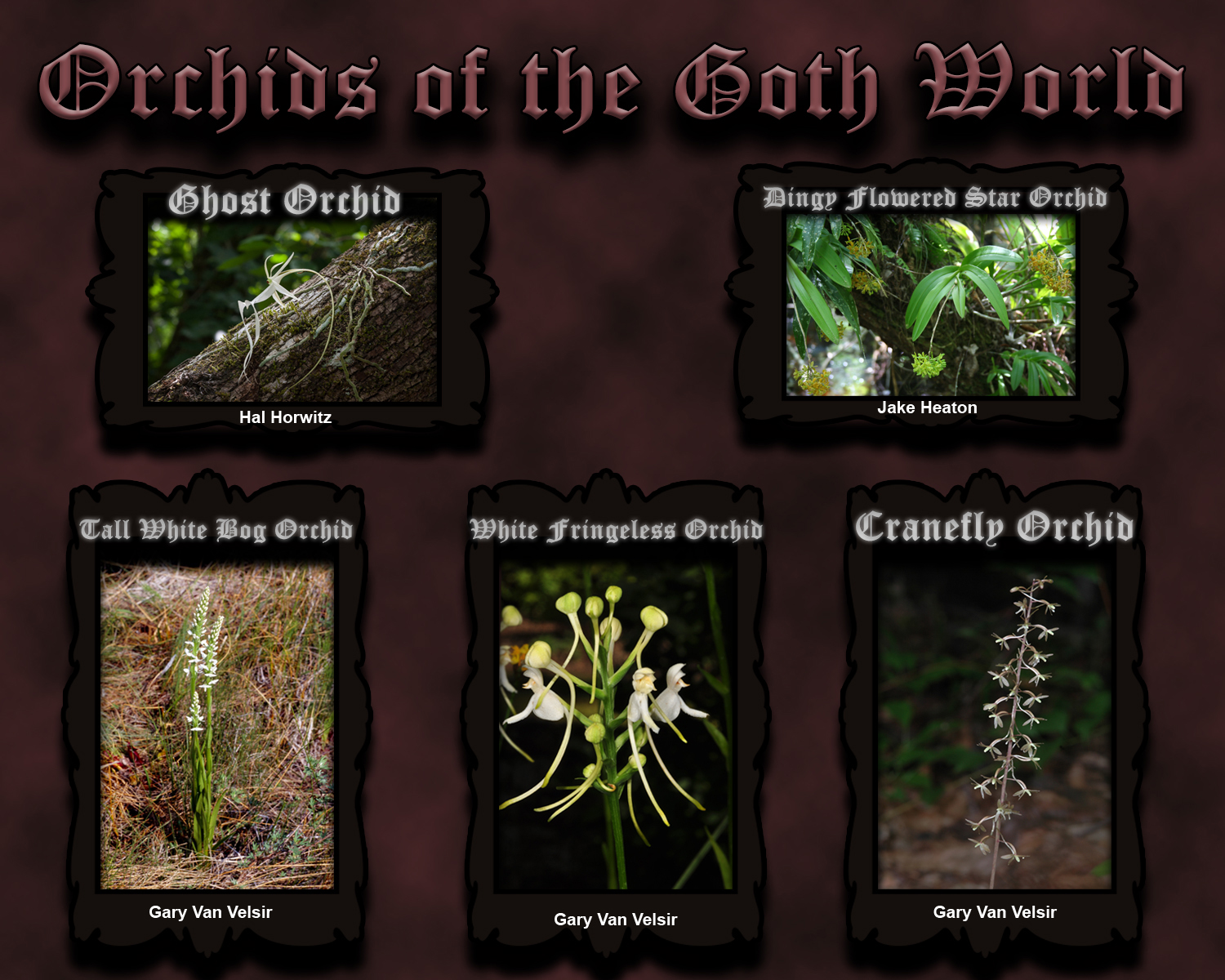
The majority of North American orchids are pollinated during the daytime. But there are a few special orchids that are part of the pollination graveyard shift. In North America, the rare Ghost Orchid, Cranefly Orchid, Tall White Bog Orchid, Dingy Flowered Star Orchid and most of the orchids in the genus Platanthera are special orchids that are pollinated at night.

Created by Heather Soulen/SERC
Watch: First sighting of night-time pollination of the elusive Ghost Orchid
Click to continue »
Posted in Classes and Events, Education, Publications | Comments Off on A Dark Gothic Secret: North American Orchids and Their Pollinators
Tags: ghost, goth, goths, moths, orchids, pollinators, Summer Showdown, wasp
Posted by Kristen Goodhue on August 4th, 2015

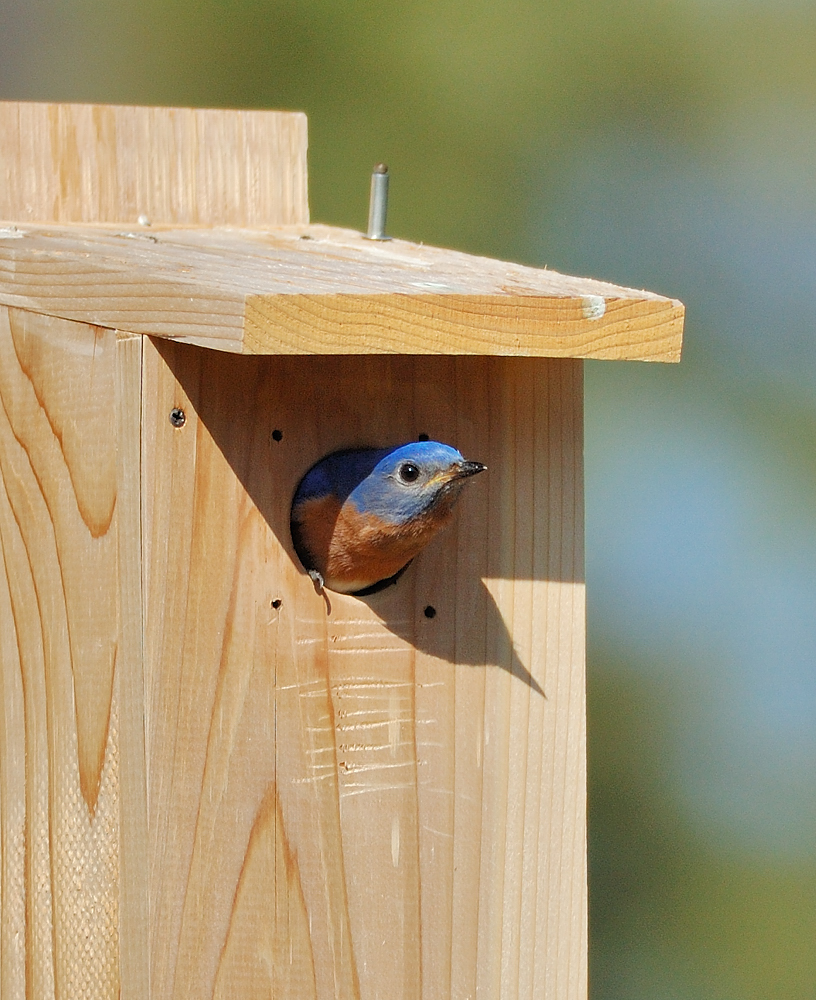
A bluebird in a nest box.
(Matt Storms)
by Caroline Kanaskie
The Bluebird Project is one of my big focuses as the Smithsonian Environmental Research Center’s (SERC) citizen science intern. While organizing and analyzing data collected by citizen scientists, I can’t help but imagine the countless hours spent walking the trail between nest boxes from March to September that created this robust data set.
I want to show my appreciation by highlighting three wonderful volunteers involved with the Bluebird Project: Annie Johnson, Judy Bissett, and Dave Gillum. Click to continue »
Posted in Publications | 1 Response »
Posted by Kristen Goodhue on July 31st, 2015
by Chris Patrick

Rob Aguilar operates on a cownose ray. (SERC)
It’s 2 a.m. Rob Aguilar, biologist in the Smithsonian Environmental Research Center’s (SERC) Fish and Invertebrate Ecology Lab, meets a group of fishermen at a pound net in the Patuxent River. The net starts at the shore and juts far into the river. Fish traveling along the shore collide with the net and follow its length into a heart-shaped net at the end—the pound.
Today, the pound contains cownose rays. Not ideal for fishermen, but exactly what Aguilar wants. Last summer SERC researchers and collaborators surgically implanted acoustic tags in 31 rays to track their migration. This summer, they’re tagging 20 to 25 more rays from Maryland rivers.
Though native to the East and Gulf Coasts, much about cownose rays remains mysterious. Many fishermen and oyster growers consider rays a nuisance because they eat shellfish and travel in schools in the hundreds.
“The main conflict seems to be between guys who fish for oysters—especially aquaculture oysters because there’s a lot of money in that—and these rays they perceive as potentially eating up their profits,” says Matthew Ogburn, ecologist in the Fish and Invertebrate Ecology Lab. Click to continue »
Posted in Publications | 4 Responses »